
MiFinity at UK Online Casinos: What Actually Works and What Doesn't
 Available in GB
The phrase “casinos that accept MiFinity UK” promises a simple answer: a list of sites where the e-wallet works. The reality is messier. MiFinity is a legitimate, FCA-regulated payment method, accepted at over 1,000 gambling operators worldwide. But this run could not confirm a single GB-licensed casino that lists it at the cashier. The network is anchored offshore: Curaçao GCB, MGA, Costa Rica, Anjouan. A UK player searching this keyword is looking for two things at once: a payment method that works, and a casino that protects them. Those two goals currently point in opposite directions.
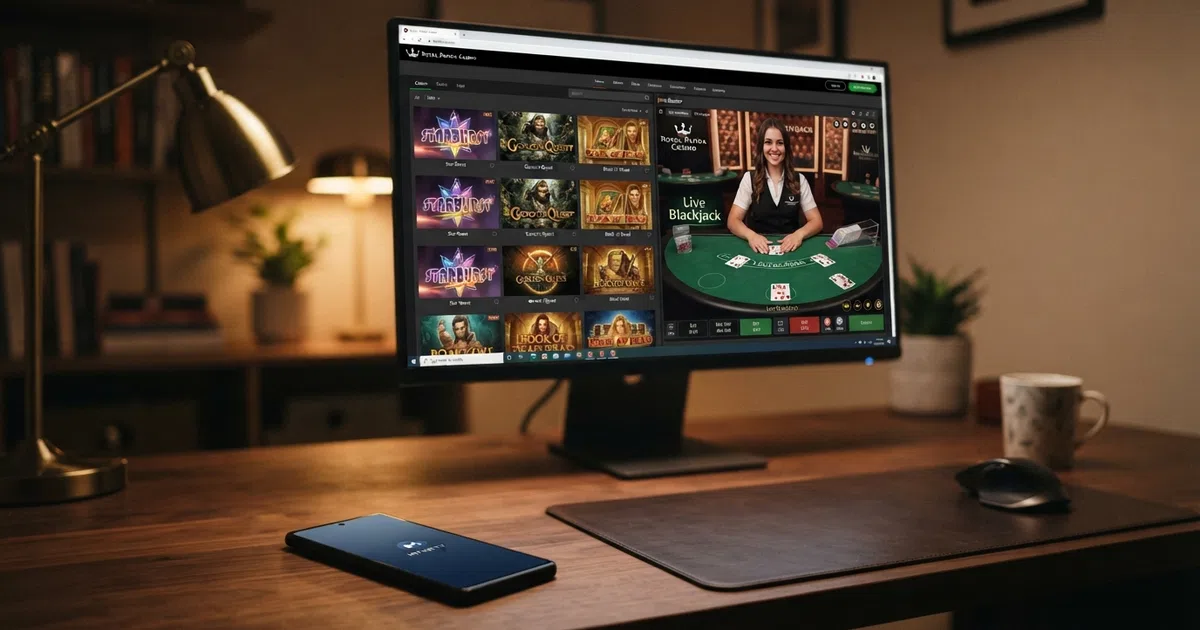
This page explains both. It covers what MiFinity is, how it moves money, what it costs, and which GB-licensed operators deliver the strongest welcome offers in 2026 (with the honest caveat that you’ll need to verify MiFinity on each cashier page yourself). The ranking rewards GB-licensed quality, because that’s where the player protections live, and because a low-fee payment method at an unprotected casino is not the bargain it looks like.
*Data current as of 9 September 2026 and verified against the UK Gambling Commission public register and MiFinity’s published fee schedule.*
What Is MiFinity? The FCA-Regulated E-Wallet UK Casino Players Need to Know About
MiFinity is an e-money institution, not a bank. It is operated by MiFinity UK Limited and holds two licences that matter to a UK player: an FCA e-money licence for the UK, and an MFSA licence for Malta. As of April 2026, it is accepted at over 1,000 gambling operators across 223 countries and territories, according to eWalletsReview. The scale is real. The scope is global.
The e-wallet moves money in three steps. First, a player funds the MiFinity wallet from a bank account, debit card, or alternative method. Second, the player sends money from the wallet to a casino cashier. Third, winnings flow back the same way, into the wallet, then out to a bank account. The process is fast: deposits land instantly, withdrawals clear in hours to days depending on the operator’s approval queue. For most players, the experience feels similar to PayPal or Skrill. The difference sits in the fee structure and the regulatory perimeter.
Most MiFinity-accepting casinos sit outside the UKGC framework. The network is concentrated at offshore-licensed sites operating under Curaçao GCB, MGA, or Costa Rica licences. That is the page’s central tension: a payment method with strong financial-services credentials, running through a casino sector that lacks equivalent gambling regulation for UK players. The rest of this page works through what that means in practice.
How MiFinity Casino Payments Work — and Why Your Money Moves for Free
Funding a casino account through MiFinity starts at the wallet. A player opens a MiFinity account, completes the FCA-required identity verification, and tops up the wallet via bank transfer, card, or a list of regional alternatives. SEPA bank transfers are free. Card deposits cost 1.8% for EEA-issued Visa or Mastercard and 2.5% for non-EEA cards. That fee is charged by MiFinity, not the casino, and it is paid by the player when funding the wallet, not when sending money from the wallet to the casino.
The deposit from wallet to casino is where the model becomes player-friendly. MiFinity charges the merchant (the casino) for processing, and the casino absorbs the cost. As TheGamePoint.io noted in its 2026 MiFinity guide: “we don’t know of any online casino that passes these costs on to the player. From a player perspective, casino deposits and withdrawals with MiFinity are free and fee-free.” That statement has held across the industry for years. The practical effect: a player moving money to a MiFinity-accepting casino pays nothing for the transaction itself, only for the wallet top-up method they choose.
GBP transaction limits sit at a £10 minimum and a £2,500 maximum per transaction at the iFrame and API level. That range covers most casual play. Higher-rolling players can split deposits across multiple transactions, though some operators set their own minimums that sit above MiFinity’s floor.
Is MiFinity Safe? What FCA Regulation Means for Your Casino Deposits
FCA e-money licensing is not cosmetic. It requires capital adequacy, segregation of client funds from operating capital, and conduct standards enforced by a statutory regulator with enforcement teeth. MiFinity holds that licence, alongside its MFSA registration. Compare that to a payment channel that has no financial-services authorisation: a crypto transfer, a money-service-business outside the UK/EU perimeter, or a peer-to-peer transfer. The regulatory backstop is the difference between money that is supervised and money that is not.
The safety case breaks into two layers. Layer one: is the money safe in transit? The FCA licence says yes, under the e-money regime. Layer two: is the casino safe to send it to? That is a different question, and a payment-method licence does not answer it. A perfectly regulated e-wallet depositing into an offshore casino with no UKGC oversight does not make the casino safer. The two licences protect different things.
One UK-specific rule cuts across both layers. The credit card ban under LCCP condition 6.1.2, in force since 14 April 2020, extends to credit-card-funded payments routed through e-wallets. At a GB-licensed casino, a player cannot fund their MiFinity wallet with a credit card and then deposit from the wallet; the ban catches the route, not just the endpoint. This matters because a player who assumes “it’s an e-wallet, the credit card ban doesn’t apply” is wrong. The Gambling Commission has been explicit on this point. Offshore operators have no such restriction, and a player at a Curaçao-licensed MiFinity casino can fund the wallet with a credit card if their card issuer permits it.
Where MiFinity Casinos Actually Operate — and Why Most Are Offshore
The honest landscape: MiFinity’s casino network is concentrated at offshore-licensed sites. SkillOnNet, Dama N.V., and similar multi-brand groups operating under Curaçao GCB, MGA, and Costa Rica licences form the backbone. GB-licensed operators are largely absent from MiFinity’s confirmed casino roster, including the ten featured on this page. Search results for “MiFinity casino UK” return offshore sites almost exclusively. The register of GB-licensed operators is a different list, and MiFinity does not appear prominently there.
This does not mean no GB-licensed casino accepts MiFinity. It means this run could not confirm one. The payment method exists. The casino sector that uses it most heavily sits outside the UKGC. A UK player searching this keyword needs to know that the gap between “MiFinity works here” and “MiFinity works here under a UKGC licence” is the gap between offshore and licensed, and that gap is exactly where the player protections disappear.
For a UK player who values the UKGC framework, the alternatives are well established: debit card, Apple Pay, PayPal, bank transfer, Skrill, Neteller, and Trustly are all widely confirmed at GB-licensed operators. Every featured operator on this page accepts debit card. Most accept Apple Pay, PayPal, and instant bank transfer. The payment-method question at a GB-licensed site is easily answered. The MiFinity-specific question is harder, and the honest answer is: verify on the cashier page.
The Best UK Casino Sites for 2026 — Do They Accept MiFinity?
Every operator below holds an active UKGC licence, confirmed against the Gambling Commission public register (last updated 29 July 2026, 2,663 records). Welcome offers dominate the field: free spins lead, with one percentage deposit match. Wagering is mostly zero, the rest capped at 10× under the December 2025 LCCP update. MiFinity acceptance is not confirmed at any of these brands; the only honest statement is to check the cashier page.
| Operator | GB Licence Status | Welcome Bonus | Free Spins | Wagering Requirement | Bonus Slot | Minimum Deposit |
|---|---|---|---|---|---|---|
| Bet365 | Active (Hillside UK Gaming ENC) | Up to 500 free spins | 500 (5–50/day over 10 days) | 0× | Fishin’ Frenzy Lure ‘Em In, Curse of the Bayou, Magic Forge, Wrath of the Deep | £10 lifetime |
| Sky Vegas | Active (PPB GE Limited, Flutter) | 50 no-deposit + 200 deposit spins | 250 total | 0× | Eye of Horus, Fishin’ Frenzy, Slots O’ Gold, The Goonies, Deal Or No Deal Megaways (11 eligible) | £10 (deposit portion) |
| Betfair | Active (PPB GE Limited, Flutter) | 50 no-deposit + 50 deposit spins | 100 total | 0× | Crabbin’ For Cash Extra Big Catch Jackpot King | £10 (deposit portion) |
| 888 Casino | Active (888 UK Limited, evoke plc) | 100% deposit match up to £100 | Alternative: 100 spins on £10 | 10× | Selected slots | £10 |
| Ladbrokes | Active (LC International Limited, Entain) | 100 free spins | 100 | 0× | Fishin’ Frenzy, Eye of Horus (selected) | £5 (all methods) |
| Coral | Active (LC International Limited, Entain) | Play £5 get 100 spins + £10 bonus | 100 (10p each) | 10× on bonus / 0× on spins | Selected games | £5 qualifying bet |
| William Hill | Active (WHG International, evoke plc) | 200 free spins on Big Bass Splash | 200 | Not specified in snippets | Big Bass Splash | £10 |
| Betway | Active (Betway Limited, Super Group) | 100% match up to £50 OR 125 no-wagering spins | 125 (alternative) | 10× on match / 0× on spins | Big Bass Hold & Spinner | £5 (all methods) |
| 32Red | Active (32Red Limited, Kindred Group) | 100 spins on Sweet Bonanza OR 320 on Big Bass Splash | 100 or 320 | 0× | Sweet Bonanza / Big Bass Splash | £10 |
| BetVictor | Active (BV Gaming Limited) | £20 bonus + 50 free spins | 50 | 10× on bonus | Age of the Gods: God of Storms 3 / Fishin’ Frenzy (alternative) | £5 (general) |
Wagering requirements at GB-licensed casinos are capped at 10× under LCCP SR Code 5.1.1, in force since 19 December 2025. The table reflects individual operator terms as published; verify on each brand’s promotional page before depositing.
Bet365 Casino — 500 No-Wagering Free Spins at a UK Powerhouse
Bet365’s welcome offer leads the featured set on free-spin count: up to 500 spins distributed across 10 days, in random batches of 5 to 50 per day. The winnings carry no wagering requirement, a rarity at this volume, and the spin value sits at £0.10. The eligible games span Fishin’ Frenzy Lure ‘Em In, Curse of the Bayou, Magic Forge, and Wrath of the Deep. The claim window runs 30 days from registration, and spins expire 7 days after credit.
The £10 lifetime deposit threshold matters: a player must have deposited at least £10 over the life of the account, not on a single transaction, to qualify. No cashout cap is stated on free spin winnings. The trade-off is timing: receiving 5 spins one day and 50 the next over a 10-day window dampens the headline number. A player who expects all 500 on day one will be disappointed. A player who values the zero-wagering structure and the 10-day runway will read it correctly. Bet365 is the highest-count, lowest-friction offer in the table, and a player who can wait for the distribution will extract more value here than at any of the single-payment competitors.
Sky Vegas — 250 Free Spins, Half with No Deposit Needed
Sky Vegas is the only featured operator giving 50 free spins for registering, with no deposit required. Add a £10 deposit and stake, and the player receives 200 more, bringing the total to 250. All winnings are wager-free. The eligible games spread across 11 titles, including Eye of Horus, Fishin’ Frenzy, Slots O’ Gold, The Goonies, and Deal Or No Deal Megaways, giving the player genuine choice rather than a single-game restriction.
The 7-day expiry is the constraint: spins must be used within a week of credit. Debit card and Apple Pay are required for the qualifying deposit. The Flutter Entertainment backing (PPB GE Limited) gives the operator a parent-group structure that also covers Betfair, and the regulatory standing is solid. For a player testing the waters without committing funds, the 50 no-deposit spins are the cleanest entry point in the field.
Betfair — 100 Free Spins, Half Deposit-Free, All Wager-Free
Betfair mirrors the Flutter group structure with 50 no-deposit spins and 50 deposit-triggered spins, for 100 total at 0× wagering. The eligible game is Crabbin’ For Cash Extra Big Catch Jackpot King, a progressive-jackpot slot. Spins expire 7 days after award. The minimum deposit for the qualifying 50 is £10.
Betfair’s payment-method breadth is the standout: Visa, Mastercard, Apple Pay, Neteller, Skrill, MuchBetter, Paysafecard, PayPal, and Pay By Bank are all listed. For a player who already has a preferred e-wallet or instant-bank-transfer method, Betfair accommodates without friction. The Jackpot King eligibility is a meaningful differentiator: the spin can feed a progressive pool, not just a fixed-payout game. That changes the risk-reward profile for a player hunting a larger win.
888 Casino — The Only 100% Deposit Match in the Field, Backed by 2,000+ Games
888 Casino is the sole percentage-match bonus among featured operators: 100% up to £100, with 10× wagering on the bonus funds, to be played through on selected slots within 90 days. The £100 maximum cashout on bonus winnings is explicitly stated, a transparency point the free-spin operators often leave implicit. An alternative offer, 100 free spins on a £10 deposit, exists for players who prefer the spin path.
The game library is the draw: 2,000+ titles including proprietary 888-branded slots and third-party providers. For a player who treats the welcome bonus as a first step into a long-term relationship with a casino, 888’s catalogue depth is the strongest in the featured set. The 90-day validity is generous compared to Coral’s 30-day window or BetVictor’s 30-day expiry. The £100 cashout cap is the constraint: a player who hits a lucky bonus run cannot withdraw above that ceiling from the bonus funds.
Ladbrokes — 100 No-Wagering Free Spins from a High-Street Name
Ladbrokes delivers a clean 100 free spins at 0× wagering for a £10 deposit and stake, with 48 hours to accept and 7 days to use. The £0.10 spin value and selected-game restriction (Fishin’ Frenzy and Eye of Horus are named in the bonus context) sit in line with the wider field. The differentiator is the general minimum deposit: £5 across all methods, the lowest in the featured set for non-promotional play. For a player who wants to test the cashier with a small amount before committing, Ladbrokes offers the easiest entry.
The Entain ownership (LC International Limited) groups Ladbrokes with Coral under a single licence, and both brands share payment methods: Visa, Mastercard, Apple Pay, Google Pay, PayPal, Instant Bank Transfer, Paysafecard, and Revolut are all listed. The high-street heritage gives the brand a recognisability that newer online-only operators lack. For a player who values the familiar name, Ladbrokes delivers the same no-wagering structure as the digital-native competitors.
Coral — £10 Bonus Plus 100 Free Spins for a £5 Qualifying Bet
Coral’s offer is the lowest cash outlay in the field: play £5 on slots to unlock 100 free spins (at £0.10 each, 0× wagering) and a £10 bonus. The £10 bonus carries its own terms: 10× wagering, a 14-day acceptance window, a 30-day use period, and a £2 maximum stake on bonus funds. The free spins have a 48-hour acceptance window and 7-day validity.
The structure rewards a player who treats the £5 qualifying bet as a low-risk trigger. The £10 bonus is modest, and the 10× wagering on a small bonus amount is not onerous, but the separation between the spin component and the bonus component is important. The spins pay out wager-free; the bonus does not. A player who reads only the headline (“£10 bonus + 100 free spins”) might assume the whole package carries the spin terms. It does not. The detail is in the split.
William Hill — 200 Free Spins on Big Bass Splash, with a £30 Cap
William Hill concentrates 200 free spins on a single title: Big Bass Splash. The trade for the high count is a £30 maximum cashout cap on free spin winnings, a ceiling explicitly stated in the bonus terms. Spins expire 72 hours from credit, the tightest expiry in the field. The £10 deposit and stake threshold is standard.
A player who lands a significant win on Big Bass Splash will see it capped at £30. That ceiling changes the calculation. The 200-spin headline looks generous, but the expected return at £0.10 per spin across 200 plays, with Big Bass Splash’s variance, rarely approaches the £30 cap before the 72-hour expiry. The offer suits a player who treats the spins as a sampler rather than a profit opportunity. The evoke plc ownership (WHG International Limited) links William Hill to 888 Casino under a single parent, and the regulatory standing is comparable.
Betway — Choose Your Offer: £50 Deposit Match or 125 No-Wagering Free Spins
Betway is the only featured operator offering a genuine choice between a deposit-match path and a free-spins path. A player can take 100% up to £50 at 10× wagering, or stake £10 and receive 125 no-wagering free spins on Big Bass Hold & Spinner. Both options run from a 7-day registration window. The £5 minimum deposit for non-promotional play is the same as Ladbrokes, the lowest in the field.
The choice is the point. A player who values the matched-fund path takes the £50; a player who values the zero-wagering structure takes the spins. Neither option punishes the other. The Super Group ownership (Betway Limited) gives the brand a multi-jurisdictional presence, and the UKGC licence is current. The payment-method roster covers Visa, Mastercard, Apple Pay, PayPal, Trustly, and Instant Bank Transfer, a clean modern set without legacy clutter.
32Red — Up to 320 Free Spins Across Two Welcome Tiers
32Red offers a tiered structure: deposit and stake £10 for 100 free spins on Sweet Bonanza at £0.20 each, or stake £30 for 320 free spins on Big Bass Splash at £0.10 each. All winnings are wager-free. Spins expire 48 hours after credit, with a 30-day claim window. The Kindred Group ownership (32Red Limited) places the brand in a stable European operator group.
The £0.20 spin value on the 100-spin tier is the highest in the featured set, double the standard £0.10. A player who chooses the lower-spend path gets fewer spins but at a higher per-spin value, and the total bonus exposure is similar: 100 × £0.20 = £20 stake, 320 × £0.10 = £32 stake. The 320-spin option suits a player with more bankroll and a preference for a higher spin count. The payment methods (Visa, Mastercard, Instant Bank Transfer, Apple Pay, Google Pay) are the standard modern set. The 48-hour expiry is tight, and a player who delays using the spins loses them.
BetVictor — £20 Bonus and 50 Free Spins with a £250 Cashout Limit
BetVictor’s offer combines a £20 cash bonus with 50 free spins for a £10 deposit and wager. The bonus carries 10× wagering and a 30-day validity, with a 7-day opt-in window. The £250 maximum cashout from bonus funds is one of the few explicitly stated ceilings in the field (one source cites £300, indicating a possible recent update; the lower figure is the conservative read). An alternative offer runs 50 free spins on Fishin’ Frenzy for players who prefer the spin path.
The £5 general minimum deposit is the lowest in the featured set, matching Ladbrokes. The BV Gaming Limited operating entity is independent of the larger groups, which gives BetVictor a different commercial posture: smaller-scale, mid-market, and focused on UK and Ireland. For a player who values a clearly stated cashout cap and a modest bonus over a headline-grabbing spin count, BetVictor delivers transparency that the spin-heavy competitors often omit.
How Depositing and Withdrawing with MiFinity Actually Works at UK Casinos
The lifecycle of MiFinity money at a casino runs three stages: fund the wallet, deposit to the casino, withdraw back to the wallet. Each stage has its own timing and its own cost.
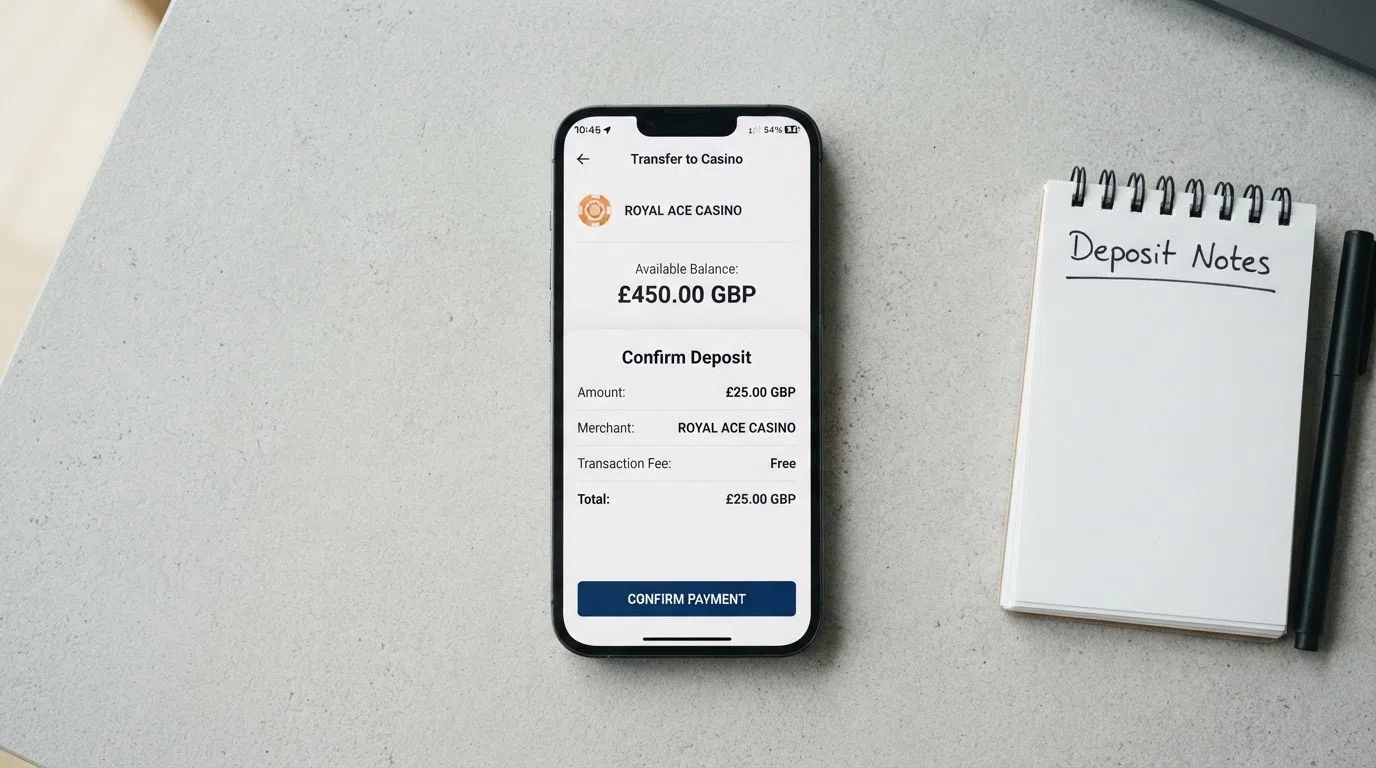
Funding the wallet is the only stage where the player typically pays a fee. Card top-ups cost 1.8% for EEA cards and 2.5% for non-EEA cards. SEPA bank transfers are free. Alternative methods vary. The choice of funding method determines the cost; the choice of MiFinity as the deposit rail at the casino does not.
Depositing from wallet to casino is instant where the method is accepted. The player selects MiFinity at the cashier, enters the amount (within the operator’s deposit limits, which typically sit within MiFinity’s £10–£2,500 range), confirms, and the balance updates immediately. No fee is charged to the player at this step. The operator absorbs the processing cost or passes it to MiFinity under a commercial agreement; the player sees a clean transaction.
Withdrawing from casino to MiFinity wallet is operator-dependent. The casino’s own approval queue is the bottleneck. Research across the MiFinity ecosystem puts this window at 0–48 hours, meaning some operators process withdrawals in under an hour, others take the full two days. The reverse-withdrawal ban at GB-licensed casinos (permanent since 31 October 2021) means a player cannot cancel a withdrawal once requested, which removes the temptation to reverse a pending payout back into play.
Withdrawing from MiFinity to a bank account takes 1–3 business days. SEPA transfers within the EEA are typically faster; UK bank transfers via Faster Payments often clear the same day or next. The player-facing total, from withdrawal request to money in the bank, is typically 1–5 days depending on the operator’s approval speed and the destination bank.
Two UK rules shape every transaction. The credit card ban under LCCP 6.1.2 catches credit-card-funded e-wallet deposits at GB-licensed casinos, so a player cannot route money from a credit card through MiFinity to a UKGC site. The reverse-withdrawal ban protects the player from cancelling a pending payout, but it also means the operator’s processing time is the only variable. At an offshore casino, neither rule applies.
Step by Step — How to Deposit at an Online Casino with MiFinity
The deposit flow from opening a MiFinity account to seeing the funds land at a casino is a fixed sequence:
- Create a MiFinity account through the app or website, completing the FCA-required identity verification (government ID, proof of address, and sometimes a selfie or video check). Verification typically clears within hours but can take up to 48 hours for manual review.
- Fund the wallet via bank transfer (free via SEPA) or card (1.8% EEA, 2.5% non-EEA). The funds land in the MiFinity balance immediately for cards, within 1–2 business days for SEPA.
- Open the casino cashier, select MiFinity from the deposit methods, enter the amount (£10–£2,500 per transaction, within the operator’s own limits), and confirm. The casino balance updates instantly.
- The welcome bonus, if any, triggers automatically on the first qualifying deposit at most operators, though some require a bonus code or opt-in. Check the bonus terms before depositing to ensure the MiFinity route qualifies. Some welcome offers exclude e-wallets.
The whole flow, from account creation to playing, takes under an hour if the player has their documents ready and uses card funding. The bank-transfer route adds a day for the SEPA clearing.
MiFinity Withdrawal Speed, Limits and What to Expect
The withdrawal timeline has three legs: casino approval, MiFinity processing, and bank transfer. Each is fast in isolation. Together, they create the 1–5 day total that a player experiences.
The casino approval leg is the variable. At the fastest operators, approval runs in under an hour, and the money lands in the MiFinity wallet the same day. At the slowest, the approval queue holds withdrawals for the full 48 hours, and the money arrives on day three. The MiFinity processing leg is near-instant once the casino releases the funds. The bank transfer leg is 1–3 business days, with Faster Payments often clearing same-day or next-day to UK bank accounts.
A player who wants the money fastest should choose an operator with a reputation for fast withdrawals, verify the account fully before requesting (to avoid the “pending documents” delay), and request the withdrawal during business hours. Offshore operators are not bound by the UKGC’s reverse-withdrawal ban, meaning a player at a Curaçao-licensed MiFinity casino can in principle reverse a pending withdrawal, which is not a benefit.
The GBP transaction limits at the MiFinity iFrame and API level are £10 minimum and £2,500 maximum per transaction. These are MiFinity’s own limits, not the casino’s. Most operators set their own minimum withdrawal higher (typically £10–£20), and maximum withdrawal limits vary by operator and by VIP tier.
MiFinity Card Types, Fees and Minimum Deposit Options
MiFinity offers three products that touch casino play: the e-wallet balance, the MiFinity virtual card, and the MiFinity physical debit card. The e-wallet balance is the core product: money in, money out, no card involved. The virtual card is an online-only disposable or reusable card number linked to the wallet, useful for merchants that don’t accept e-wallets directly. The physical debit card spends the wallet balance at point-of-sale or online, anywhere Visa is accepted.
For casino play, the e-wallet is the relevant product. The cards matter if a player wants to spend casino winnings at retail or at merchants that don’t take e-wallets, but the deposit and withdrawal flow runs through the wallet balance.
The fee structure is: casino deposits are free to the player (the operator pays). Casino withdrawals are free to the player. Card funding of the wallet costs 1.8% (EEA) or 2.5% (non-EEA). SEPA bank transfers are free. FX conversion carries a 2.99% markup, which compares favourably to Skrill and Neteller’s 3.99% standard tier. For a UK player funding in GBP and playing in GBP, the FX cost does not apply.
The £10 minimum deposit at the MiFinity level is well within the standard operator minimums. Several GB-licensed casinos on this page (Ladbrokes, Coral, Betway, BetVictor) set their own minimums at £5 for general play, but the welcome offers universally require £10. The £2,500 maximum per transaction is high enough that most casual players never hit it. High rollers split across multiple transactions.
Why Your 2026 MiFinity Casino Bonus Is Smaller Than It Looks
The GB bonus market transformed in December 2025. Wagering requirements are now capped at 10× under LCCP SR Code 5.1.1. The old 35×, 40×, even 65× playthroughs that dominated the market five years ago are gone. The mixed-product promotional ban, no more “bet £10 on football, get 50 casino spins”, closed the cross-vertical offer. Free spins dominate the field because they are cheap to issue and easy to ring-fence; deposit matches survive but at low percentages and the 10× ceiling.
The result is a bonus market that looks more generous than it is, at least on the surface. Seven of the ten featured operators offer 0× wagering on free spin winnings, which means a player keeps every pound won from the spins. That sounds exceptional, and relative to the pre-2025 market it is. But the offers themselves are small: 50 to 500 free spins at £0.10 per spin, with caps, expiries, and game restrictions built in. The headline is the spin count, not the payout ceiling.
The three operators that carry wagering (888 Casino, Coral on its £10 bonus, BetVictor) all sit at the 10× ceiling, the maximum allowed. A £100 bonus at 10× means £1,000 in required play before withdrawal. At a £5 maximum stake (25+) or £2 (18–24) per game cycle, that play stretches out. The calculation below shows exactly how far.
The Remote Gaming Duty increase from 21% to 40%, effective 1 April 2026, adds a cost pressure that may further shrink bonus generosity. Operators paying 40% of gross gaming yield to HMRC have less margin for promotional spend. The 10× cap is a floor on how punitive bonuses can be. The RGD increase is a ceiling on how generous they can be. The window is narrow, and the market is operating at both edges.
Welcome Bonuses and Deposit-Match Offers — Who Still Offers Them
Only two of the ten featured operators run a percentage deposit match. 888 Casino offers 100% up to £100 at 10× wagering with a £100 cashout cap on bonus winnings and a 90-day validity. Betway offers 100% up to £50 at 10× wagering, with a no-wagering free-spins alternative. The near-extinction of the matched-deposit bonus is the most significant structural shift in the GB market since the stake cap.
The economics explain why. A 100% match at 10× wagering means the operator must fund £1,000 of play for every £100 bonus issued, under the assumption that the house edge recoups the cost. The 10× cap is generous to the player by historical standards, but it is still expensive for the operator relative to a free-spin package, which has a fixed cost (the spin value) and no wagering exposure. Free spins transfer the variance to the player. Deposit matches carry it for the operator.
For a player who prefers the deposit-match structure, 888 and Betway are the choices. 888’s £100 ceiling and 90-day window suit a player with bankroll and time. Betway’s £50 ceiling and 7-day window suit a player who wants to clear the bonus quickly. Both are subject to the 10× cap. Both are honest about the terms.
No-Deposit Bonuses and Free Spins — What UK Operators Actually Give You
No-deposit offers are rare in the GB market. Sky Vegas and Betfair both give 50 free spins for registering, with no deposit required, at 0× wagering. That is the full set. No other featured operator issues a no-deposit offer.
The 50 free spins for registering serve a specific function: they let a player test the casino, the game library, and the withdrawal process without committing funds. The winnings are real and withdrawable (subject to the operator’s withdrawal terms), but the spin count is modest. A player who expects the no-deposit spins to fund a serious session will be disappointed. A player who treats them as a trial finds genuine value: the spins can pay out, the withdrawal process can be tested, and the casino’s interface can be evaluated before depositing.
The distinction between no-deposit free spins and a no-deposit cash bonus matters. A cash bonus with no deposit would carry wagering requirements, and the 10× cap would apply. The free-spin structure, by contrast, converts the bonus into fixed-cost plays with a known maximum exposure. A player who wins £20 from 50 no-deposit spins at 0× wagering can withdraw that £20 directly. A no-deposit cash bonus of the same value, even at 10× wagering, would require £200 of play before withdrawal.
No-Wagering Bonus Offers — Keep Every Pound You Win
Seven of the ten featured operators offer 0× wagering on free spin winnings: Bet365, Sky Vegas, Betfair, Ladbrokes, Coral (on the spin component), 32Red, and Betway (on the spin alternative). The three exceptions, 888 Casino, Coral on its £10 bonus, and BetVictor, all carry 10× wagering on a bonus component. The zero-wagering structure is the standout feature of the current GB bonus market, and it is a direct consequence of the December 2025 regulatory cap.
A player who understands the difference treats the zero-wagering offers as the default choice. A £50 free-spin package at 0× wagering is worth more than a £50 cash bonus at 10× wagering, even though the headline number is the same. The free-spin winnings are withdrawable immediately. The cash bonus requires £500 of play. The math is not subtle.
The three operators with wagering on a bonus component survive because they offer something else: 888’s 2,000+ game library, Coral’s £5 qualifying bet, BetVictor’s £250 explicit cashout cap. A player who values the wider offer over the bonus structure will find a reason to choose them. A player whose priority is the cleanest bonus-to-cash conversion will not.
Playing MiFinity Casinos on Your Phone — Apps, Mobile Sites and Android
Mobile MiFinity casino access is about browser-based play, not dedicated apps. No GB operator in the featured set builds a native app around a specific payment method. The MiFinity deposit flow on mobile is identical to the desktop flow: open the cashier, select MiFinity, enter the amount, confirm. The operator’s mobile site or web app handles the transaction. Android and iOS are treated equally; no operator in the field gates MiFinity behind a specific operating system.
MiFinity’s own product is mobile-first. The MiFinity app (available on iOS and Android) is the wallet interface: it handles funding, transfers, balance checks, and virtual card management. A player who manages funds on the phone and plays on the browser sees a seamless experience. The two systems are separate products that integrate at the API level; the player experiences them as one continuous flow.
The distinction between a casino app and a payment-method app matters for players who search the App Store or Google Play for “MiFinity casino” and expect to find a combined product. They will not. The casino apps from Bet365, Sky Vegas, Betfair, and the rest handle the games; the MiFinity app handles the money. Both are needed, neither replaces the other.
For a player who prefers mobile-only play, every featured operator on this page works on a mobile browser. The game libraries, bonus terms, and payment methods are the same as on desktop. The only variable is screen size, and that is a matter of preference.
Crypto, No-ID and No-Registration MiFinity Casinos — What UK Rules Actually Allow
The search volume around “no-verification MiFinity casino” and “Bitcoin MiFinity casino UK” reflects a real player interest: anonymity, fast onboarding, and crypto funding. The UK regulatory framework closes all three paths at a licensed site. Pre-deposit identity verification has been mandatory at GB-licensed casinos since 7 May 2019. The UKGC has no confirmed rule specifically permitting or prohibiting cryptocurrency deposits, but the absence of authorisation, combined with the mandatory identity verification, means a crypto-funded anonymous session at a UKGC licensee is not available.
Where these offers exist, they sit offshore. Curaçao GCB, Costa Rica, and Anjouan-licensed casinos operate under different rules. Some accept both Bitcoin and MiFinity. Some offer no-KYC registration. None participate in GAMSTOP, none are subject to the UKGC’s LCCP bonus and stake rules, and none offer the ADR route that a GB-licensed site must provide. The UKGC’s enforcement activity targets exactly this gap: 3,140 disruption notices issued between April 2024 and June 2025, 447,778 URLs referred to search engines, 287,961 removed, and an average 32% engagement drop across disrupted sites. The Commission is actively disrupting unlicensed sites, not blocking them at the ISP level (no statutory blocking powers exist yet).
A UK player who values anonymity will find it offshore. The trade is the loss of every UKGC protection: no GAMSTOP coverage, no £5/£2 stake cap, no 10× wagering ceiling, no fund segregation requirement, no UKGC complaints process. The next two sections work through what that trade actually costs.
No-Verification MiFinity Casinos — What You Sacrifice for Skipping ID Checks
No-verification play means no KYC before deposit or withdrawal. The casino accepts funds and pays out winnings without checking the player’s identity against any database. At a GB-licensed casino, this is impossible: pre-deposit verification has been mandatory since 7 May 2019. At an offshore casino, it is the default at some operators.
The cost of skipping verification is not a fee. It is a loss of every protection layer that the UKGC framework provides. GAMSTOP self-exclusion does not apply, meaning a player who has self-excluded from GB-licensed sites can still deposit and play at the offshore casino. The 10× wagering cap does not apply, meaning a bonus can carry 40× or 65× playthrough. The £5/£2 stake cap does not apply, meaning a single spin can exceed the GB statutory maximum. The ADR route does not exist, meaning a dispute with the operator has no independent resolution path. Fund segregation is not guaranteed, meaning player balances may not be held separately from operating capital.
The UKGC’s enforcement data shows where these operators end up. The 287,961 URLs removed between April 2024 and June 2025 include many of the no-verification MiFinity sites. A player who opens an account at one today may find the domain gone tomorrow. The 32% engagement drop across disrupted sites is a measure of how many players lose access when the Commission acts.
For a player who has self-excluded via GAMSTOP and is searching for a way around the block, the offshore no-verification casino is exactly that, and the framing matters. GAMSTOP exists because the evidence supports self-exclusion as a harm-reduction tool. An offshore site that circumvents it is not offering a service; it is exploiting a vulnerability.
Bitcoin and Crypto Casinos That Accept MiFinity — Offshore Only for Now
Crypto and MiFinity coexist at offshore-licensed casinos. Curaçao GCB, Costa Rica, and Anjouan-license operators routinely accept both, and the search results for “MiFinity crypto casino” returns these brands almost exclusively. At a GB-licensed casino, the picture is different: no UKGC rule specifically permits or prohibits cryptocurrency deposits, but the mandatory identity verification, the payment-processor compliance obligations, and the AML requirements make a pure-crypto deposit flow unusual at a UKGC licensee.
A UK player who wants to use both Bitcoin and MiFinity at a casino is, in practice, choosing an offshore site. The features that make the offshore site attractive (crypto funding, MiFinity as a fiat on-ramp, no GAMSTOP) are the same features that remove the UKGC protections. The features that make a GB-licensed site attractive (GAMSTOP, stake caps, wagering caps, ADR) are the same features that limit payment-method choice.
The UKGC’s regulatory silence on cryptocurrency is not a green light. It is an absence of confirmed policy. A future rule could clarify the position; for now, the practical reality is that a casino accepting both Bitcoin and MiFinity is almost certainly not GB-licensed. The player who values crypto funding accepts the offshore trade-off. The player who values the UKGC framework uses fiat methods (debit card, Apple Pay, PayPal, bank transfer) at a licensed site.
Slots, Live Dealer and Table Games — What You Can Play at MiFinity Casino Sites
The game catalogue at a casino is driven by the operator’s provider relationships, not the payment method. MiFinity-accepting casinos span the same provider landscape as any other: Pragmatic Play, Play’n GO, NetEnt, Microgaming, Playtech, IGT, Blueprint. The bonus slots named across the featured operators (Fishin’ Frenzy, Big Bass Splash, Sweet Bonanza, Eye of Horus, Age of the Gods, Crabbin’ For Cash) are all provider-agnostic titles available at most GB-licensed sites regardless of payment method.
At a GB-licensed casino, the operator must display each slot’s RTP in the game information or help section. The requirement is regulatory: the player has a right to know the theoretical return before playing. A player who cannot find the RTP at a GB-licensed casino should contact support; the operator is in breach if it is not displayed. The £5 (25+) or £2 (18–24) stake cap per game cycle applies to every real-money spin at a GB licensee, regardless of title or provider. The cap is the total staked within a single game cycle, from initiation to completion (all money lost or all winnings delivered).
Live dealer games, blackjack, roulette, and bingo are available at most featured operators. The live casino experience is the same regardless of payment method. Bingo is a separate product category at most GB-licensed sites, and the mixed-product bonus ban means a player cannot claim a bingo bonus and a casino bonus from the same promotion. The 5-second minimum spin speed and turbo/slam-stop ban, in force from 17 January 2025, applies to non-slots casino products as well, including live casino game interfaces.
Demo mode and free-play slots are available at most operators, allowing a player to test games before depositing. The free-play balance is not withdrawable; it exists for testing only. A player moving from demo to real-money play does so at the same game, with the same mechanics, and the only difference is the stake.
Real-Money MiFinity Slots — Titles, RTP and Where to Play
The bonus slots named in the featured-operator offers are the titles that recur across the MiFinity-accepting casino ecosystem: Fishin’ Frenzy (Blueprint) appears at Bet365, Ladbrokes, Coral, and BetVictor. Big Bass Splash (Pragmatic Play) appears at William Hill, 32Red, and Betway. Sweet Bonanza (Pragmatic Play) at 32Red. Eye of Horus (Blueprint) at Sky Vegas and Ladbrokes. Age of the Gods (Playtech) at BetVictor. Crabbin’ For Cash (Blueprint) at Betfair. These are not MiFinity-specific games; they are operator-selected bonus slots, available at any payment method.
A player who wants a specific slot’s RTP at a GB-licensed casino can find it in the game’s information panel, typically accessed via a menu or help icon within the game client. The operator is required to display it. If the RTP is not visible, the player should ask support. The RTP values vary by game and by operator configuration: some operators offer slots at lower RTPs (90–94%) to fund larger bonuses, while others run at the provider’s default (95–97%). The lower the RTP, the higher the house edge, and the more the player loses per spin on average.
The stake cap matters for bonus play. At £5 per spin (25+) or £2 (18–24), the rate of bonus clearance is constrained. A £1,000 wagering requirement at £5 per spin is 200 spins. At 5 seconds per spin, that is roughly 17 minutes of play. At £2 per spin, it is 500 spins, roughly 42 minutes. The clearance time is manageable, but the cap means a player cannot turbo through a bonus by raising the stake.
MiFinity Live Dealer Casinos — Blackjack, Roulette and Bingo
Live dealer games at MiFinity-accepting casinos run through the same studios as any other deposit method: Evolution, Pragmatic Play Live, Playtech Live, and a handful of smaller providers. The game selection at the featured GB-licensed operators includes live blackjack, live roulette, live baccarat, and game-show titles (Crazy Time, Monopoly Live, Deal or No Deal Live). The MiFinity deposit or withdrawal does not change the live casino experience; the payment is settled separately from the game round.
No statutory stake cap equivalent to the slots £5/£2 rule exists for live casino or table games. A player at a GB-licensed casino can stake above the slots cap on a live blackjack hand or a roulette spin, within the operator’s own table limits. The game-design rules (turbo/slam-stop ban, 5-second minimum spin speed, multi-product simultaneous play ban) extended to non-slots casino products from 17 January 2025, but these target interface speed, not stake size.
Bingo operates as a separate product category at most GB-licensed operators. The mixed-product bonus ban means a casino welcome offer (free spins on slots) cannot be triggered alongside a bingo welcome offer. A player who prefers bingo will find dedicated bingo sites or bingo tabs within casino operators, with their own bonus structures. The 10× wagering cap applies to bingo bonuses as it does to casino bonuses. No featured operator on this page runs a bingo welcome offer; the casino welcome is the relevant entry point.
Game-Specific Bonuses and Free-Spin Slot Offers
Most featured-operator bonuses are tied to one or two specific slot titles. The tie-in exists for three reasons: promotional agreements with the game provider, RTP management (the operator can configure the RTP of a bonus-eligible game), and responsible-gaming compliance (the operator controls which games the bonus funds touch).
Fishin’ Frenzy variants appear across Bet365 (Lure ‘Em In), Ladbrokes, Coral, and BetVictor. The game’s popularity and its medium-volatility profile make it a safe choice for bonus play: the win frequency is high enough to keep players engaged, the max-win potential is moderate, and the provider (Blueprint) negotiates promotional tie-ins with most major operators.
Big Bass Splash appears at William Hill, 32Red, and Betway. The Pragmatic Play fishing-franchise titles have become the default bonus slot for the GB market, displacing older standbys. A player who has played one Big Bass title has played them all; the bonus across operators delivers a consistent experience.
The alternative structure, where the operator names a basket of eligible games, appears at Sky Vegas (11 eligible titles) and Bet365 (4 eligible titles). The wider basket gives the player genuine choice, which is a positive for a player who wants to use the spins on a preferred game rather than the operator’s selected title.
New MiFinity Casino Sites Launched in 2026
Genuinely new GB-licensed casinos are scarce. The UKGC public register (last updated 29 July 2026, 2,663 records) does not update at a pace that supports frequent new-entrant coverage. New UKGC licence grants are infrequent, and a new GB-licensed casino must meet every requirement from day one: GAMSTOP integration, deposit-limit prompt, identity verification, 10× wagering cap, £5/£2 stake cap, ADR route, and the full LCCP compliance framework. The barrier to entry is high, and the result is a stable, mature market with few new faces.
Most “new MiFinity casino” results in search results are offshore launches under Curaçao GCB or Anjouan licences. These sites launch regularly, accept MiFinity by default, and operate under different rules. The marketing positions them as “new”, which is accurate, but the regulatory framework they operate under is not the UKGC framework, and the protections are not equivalent.
A player evaluating a new casino, whether GB-licensed or offshore, should check the licence status on the UKGC public register before depositing. The register is the only definitive source. A casino that claims a UKGC licence but does not appear on the register is not licensed, regardless of the claim. The register search is straightforward: operator name, trading name, or licence number. If the casino is not there, the player should not deposit.
What a new GB-licensed casino must offer from day one is the same regulatory floor as every established operator: GAMSTOP integration, the deposit-limit prompt before first deposit, the 10× wagering cap, identity verification before first deposit or gamble, and the full safer-gambling infrastructure. A new casino that promises more (higher bonuses, looser terms) is either offshore or making a claim that will not survive regulatory scrutiny.
UK Gambling Law and Your MiFinity Casino — Licensed vs Offshore
The legal divide shapes every decision on this page. A GB-licensed casino operates under the Gambling Act 2005, the LCCP, the RTS, and the UKGC’s enforcement authority. An offshore casino operates under whatever licence it holds (Curaçao GCB, MGA, Costa Rica, Anjouan), and the UKGC’s jurisdiction over the operator is limited to disruption activity: cease-and-desist notices, search-engine referrals, payment-provider referrals, and domain-registrar pressure.
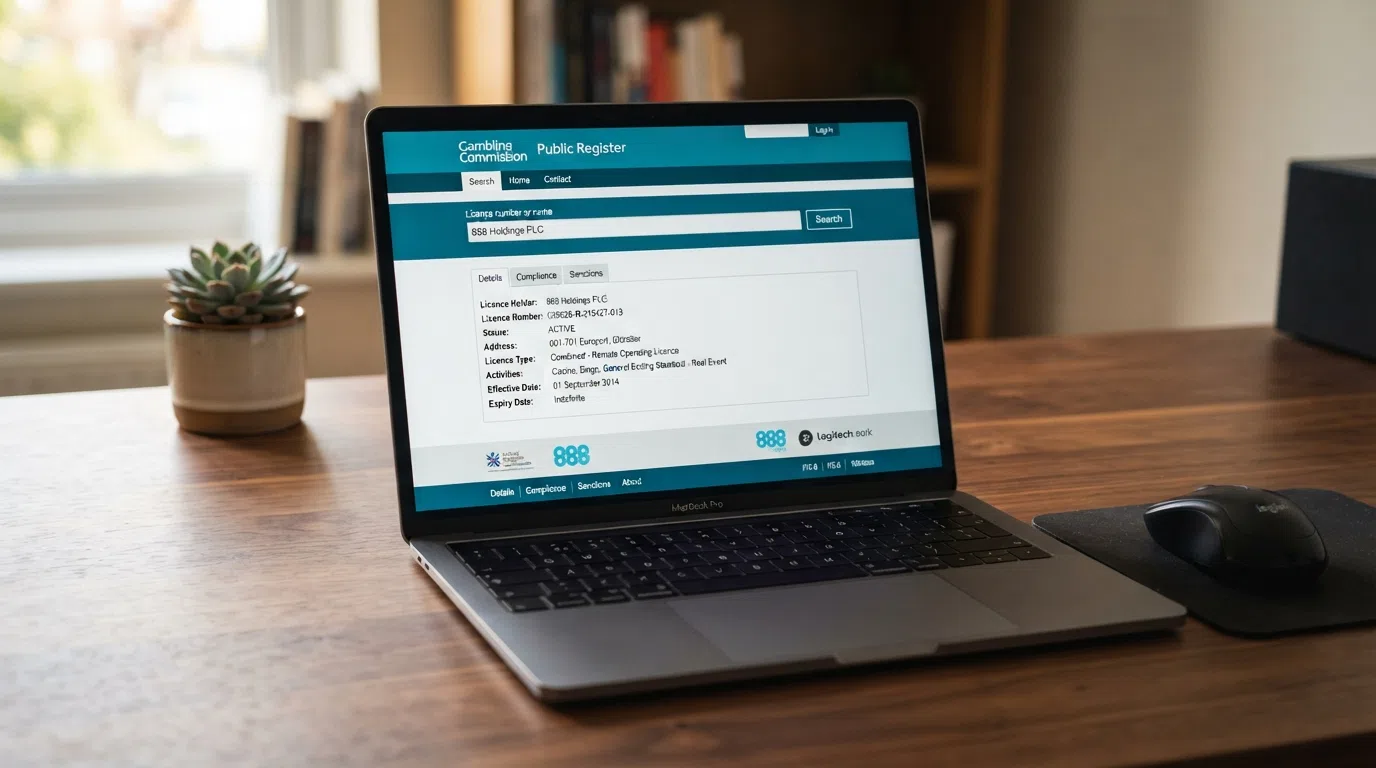
The protections a GB licence delivers are specific and statutory. GAMSTOP self-exclusion is mandatory. Credit card deposits are banned. Wagering requirements are capped at 10×. Online slots carry a £5/£2 stake cap. Financial vulnerability checks trigger at £150 net deposit in a rolling 30-day period. Deposit-limit prompts appear before the first deposit. ADR is available for disputes. Fund segregation is required. The operator pays Remote Gaming Duty at 40% and the statutory levy at 1.1% of gross gambling yield.
None of these protections exist at an offshore casino. The operator may claim equivalent rules voluntarily, but the claim is not enforceable by a UK regulator. A player at a Curaçao-licensed MiFinity casino has no GAMSTOP coverage, no LCCP bonus cap, no statutory stake limit, no ADR, and no guarantee of fund segregation. The player-protection framework is contractual, not statutory, and the contract is with an operator outside UK jurisdiction.
Providing gambling facilities to GB customers without a UKGC licence is a criminal offence under section 33 of the Gambling Act 2005: up to 51 weeks’ imprisonment, unlimited fine, or both. The offence applies to the operator, not the player. No penalty has been traced for a player who merely gambles on an unlicensed site. The legal risk sits entirely with the operator.
| Protection | UKGC-Licensed Casino | Offshore MiFinity Casino |
|---|---|---|
| GAMSTOP self-exclusion | Mandatory since 31 March 2020 | Not connected |
| Credit card deposits | Banned under LCCP 6.1.2 (since 14 April 2020) | Permitted at operator’s discretion |
| Wagering requirements | Capped at 10× (since 19 December 2025) | No statutory cap |
| Online slots stake cap | £5 (25+) / £2 (18–24) per game cycle | No statutory cap |
| Identity verification | Mandatory before first deposit (since 7 May 2019) | Operator-determined; often none |
| Fund segregation | Required under RTS | Not guaranteed |
| ADR / dispute resolution | Required and accessible | Not available in UK |
| Reverse withdrawals | Permanently banned (since 31 October 2021) | Permitted at operator’s discretion |
| Financial vulnerability checks | Mandatory at £150 net deposit / 30 days | Not available |
| Deposit-limit prompt | Mandatory before first deposit | Not available |
| UKGC complaints route | Yes | No |
| Remote Gaming Duty (operator tax) | 40% from 1 April 2026 | Not applicable (offshore operator) |
| Statutory levy (harm funding) | 1.1% of GGY from 6 April 2025 | Not applicable |
The table maps every regulatory protection a GB player gains or loses by choosing an offshore MiFinity casino. The contrast is structural, not marginal.
UKGC-Licensed vs Offshore MiFinity Casinos — What Each One Gives You
The comparison above maps the structural differences. The practical consequence for a player is straightforward: at a GB-licensed casino, the rules are enforced by a regulator with statutory powers, and the player has access to every protection listed. At an offshore casino, the rules are whatever the operator decides, and the player has access to none of the statutory protections.
The absence of a player-side penalty is important. A UK player who gambles at an unlicensed site does not commit a criminal offence. The operator commits the offence under section 33 of the Gambling Act 2005. The player loses protection but not liberty. This is why the UKGC’s enforcement strategy targets operators, not players: disruption notices, search-engine referrals, payment-provider pressure. The 3,140 notices issued between April 2024 and June 2025 are aimed at the supply side.
For a player choosing between the two, the calculation is: which protections am I willing to give up, and what do I gain? The offshore site may offer a larger bonus, a faster sign-up, or a crypto deposit option. The GB-licensed site offers the regulatory floor: GAMSTOP, stake caps, wagering caps, ADR, and the knowledge that the operator is subject to UK enforcement. The trade is real, and the choice is the player’s.
MiFinity Casinos Not on GamStop — What You Give Up
GAMSTOP is the single most significant differentiator between GB-licensed and offshore casinos. It is the national multi-operator self-exclusion scheme, mandatory for every GB-licensed online operator since 31 March 2020. A player who self-excludes via GAMSTOP is blocked from depositing and playing at every connected GB-licensed casino for the chosen exclusion period: six months, one year, five years, or five years with auto-renewal. The exclusion cannot be cancelled early.
An offshore MiFinity casino is not connected to GAMSTOP. A self-excluded player can open an account, deposit via MiFinity, and play without any block. This is not a loophole that the offshore operator accidentally left open. It is the design. The offshore operator is not subject to the UKGC’s LCCP, and GAMSTOP integration is not required. The player who self-excluded and then plays at an offshore site has circumvented the tool they chose to protect themselves.
The other tools a player loses at an offshore site are: reality checks (periodic pop-ups showing time and money spent), deposit-limit prompts (the mandatory offer to set a limit before the first deposit), time-outs (short-term cooling-off periods), and financial vulnerability checks (the light-touch trigger at £150 net deposit in a rolling 30-day period). Each of these is mandatory at a GB-licensed casino. Each is absent at an offshore site.
The GSGB Year 3 data (2025) puts the context in numbers: 2.4% of adults aged 18+ have a PGSI score of 8 or more, the problem-gambling threshold. 47% of adults gambled in the last four weeks. The population at risk is large, and the protective infrastructure exists for a reason. An offshore site that circumvents GAMSTOP is not offering a player more freedom; it is removing a layer of protection that the evidence supports.
Playing at a Casino Without a UK Licence — The Real Risks
No GB licence means no UKGC protection. The risks are practical, not theoretical. No UKGC complaints process exists for an offshore operator. No ADR route is available, meaning a dispute has no independent resolution. No statutory requirement to segregate player funds exists, meaning an operator in financial difficulty can use player balances as operating capital. No guarantee of fair game outcomes under the RTS exists, meaning the RNG certification that a GB-licensed casino must hold is not required offshore. No mandatory GAMSTOP integration means a self-excluded player can deposit and play.
The legal position is asymmetric. Providing gambling facilities to GB customers without a UKGC licence is a criminal offence under section 33 of the Gambling Act 2005, carrying up to 51 weeks’ imprisonment, an unlimited fine, or both. The offence sits with the operator. No penalty has been traced for a player who merely gambles on an unlicensed site, which means the legal risk is zero for the player and significant for the operator.
The UKGC’s enforcement strategy is disruption, not blocking. The Commission does not currently have statutory powers to order ISP-level blocks of unlicensed sites; legislation has been proposed but not enacted. The tools available are cease-and-desist notices, search-engine referrals, payment-provider referrals, and domain-registrar pressure. The 3,140 notices, 447,778 URLs referred, and 287,961 removed between April 2024 and June 2025 are the measurable output. The 32% average engagement drop across 160 disrupted sites is the measurable impact. A site that appears in search results today may be gone in three months; a player who deposited last week may find the domain unreachable next week.
The offshore casino that survives UKGC disruption is not necessarily safer. It may be operating from a jurisdiction that does not cooperate with UK enforcement, or it may be cycling through domains faster than the Commission can refer them. Either way, the player has no UK statutory recourse.
How UK Casino Players Can Stay Safe — Deposit Limits, Self-Exclusion and Where to Get Help
The safer-gambling infrastructure at a GB-licensed casino is mandatory, layered, and specific. Every GB-licensed operator must offer a deposit-limit prompt before the first deposit, with decreases actioned immediately. The operator must display total losses, total wins, and time played during slots sessions. The operator must trigger a financial vulnerability check at £150 net deposit in a rolling 30-day period. The operator must integrate GAMSTOP, accept self-exclusion registrations, and honour exclusion periods. The operator must offer time-outs, reality checks, and access to self-exclusion tools within the account.
The prevalence context comes from the Gambling Survey for Great Britain Year 3 (2025): 47% of adults gambled in the last four weeks. Approximately 2.4% had a PGSI score of 8 or more, the problem-gambling threshold. An estimated 4.3 million adults in Great Britain are affected by a family member’s or friend’s gambling, and around 2 million children may be living in households with adults experiencing problem gambling. Nearly 1 in 3 adults (30%) experiencing any level of gambling problems now want treatment, support, or advice, up from 17% in 2020. The population is large, and the need is real.
The independent support network operates outside the casino industry and is free to access:
- GamCare runs the National Gambling Helpline on 0808 8020 133, available 24/7. Live chat, self-guided resources, self-exclusion guidance, money management tools, local support directories, and blocking software guidance are all available through GamCare’s website and phone line.
- GambleAware funds the National Gambling Support Network (NGSN), which provides tailored treatment and support across five UK regions. GambleAware also publishes annual statistics and treatment survey data.
- NHS gambling harm clinics operate in England, Scotland, and Wales, providing specialist clinical support for gambling-related harm. Referral is typically through a GP or self-referral.
- Gamblers Anonymous provides peer support through local meetings and online communities, following a 12-step model adapted from Alcoholics Anonymous.
A player who feels their gambling is becoming harmful can use GAMSTOP to self-exclude from every GB-licensed casino, contact GamCare for confidential support, or visit a GP for a referral to an NHS clinic. The tools exist, they are free, and they are accessible regardless of where the player currently gambles.
How We Chose and Ranked the Casinos on This Page
The featured operators on this page were evaluated against four criteria, applied qualitatively. Every operator holds an active UKGC licence, confirmed against the Gambling Commission public register (last updated 29 July 2026, 2,663 records). This is the primary filter: a casino that does not appear on the register is not ranked.
Welcome-offer value was the second criterion, measured by free-spin count, deposit-match percentage, and wagering multiplier. A 0× wagering structure scores higher than a 10× structure at the same headline value. A higher free-spin count at the same wagering structure scores higher. The field is close on this dimension; the ranking reflects the spread across operators.
Game range was the third criterion, measured by provider count and catalogue depth. 888 Casino’s 2,000+ games lead the field. Operators with multiple top-tier providers (Playtech, Microgaming, NetEnt, IGT, Blueprint, Pragmatic Play) score higher than single-provider sites. The criterion matters for players who will use the welcome bonus as a first step into a longer-term relationship.
Minimum deposit accessibility was the fourth criterion. Ladbrokes, Coral, Betway, and BetVictor all set their general minimum at £5, the lowest in the field. A lower minimum means a player can test the cashier with a smaller commitment. The welcome offers universally require £10, but the general minimum affects post-welcome play.
The MiFinity acceptance gap is the honest constraint. This run could not confirm MiFinity at any GB-licensed casino. The ranking rewards GB-licensed quality, not MiFinity availability, because the two do not currently align. A player who arrives at this page searching for a MiFinity-accepting casino will need to verify the payment method on each operator’s cashier page. The ranking tells them which licensed casino to check first, not which MiFinity casino to choose.
Should You Use MiFinity at a UK Online Casino? What the Evidence Shows for 2026
The evidence points in two directions, and the page is more useful for saying so than for pretending otherwise.
The case for MiFinity is strong on the payment-method level. FCA-regulated, with segregated client funds and statutory oversight. Casino deposits processed instantly, with no fee charged to the player. Withdrawals clearing in 0–48 hours from casino approval, with the bank leg adding 1–3 business days. FX markup at 2.99%, lower than Skrill and Neteller’s 3.99% standard tier. Over 1,000 gambling operators worldwide, with 223 countries and territories covered. The e-wallet is legitimate, low-cost, and fast.
The case against MiFinity for a UK player is equally strong on the casino level. This run could not confirm a single GB-licensed casino that lists MiFinity at the cashier. The network is anchored offshore: Curaçao GCB, MGA, Costa Rica, Anjouan. Using MiFinity for casino play, in practice, means depositing at a site without GAMSTOP coverage, without the £5/£2 stake cap, without the 10× wagering ceiling, without the ADR route, and without the UKGC’s enforcement backstop. The payment method is regulated. The casino is not. Those are separate questions, and only the licence protects the player.
The practical recommendation is to check the cashier page of any GB-licensed casino before depositing. If MiFinity is listed, the payment experience will be fast and low-cost, and the casino will carry full UKGC player protections. If it is not, the featured operators on this page all accept debit card, and most accept Apple Pay, PayPal, and bank transfer. Every one of them carries the UKGC licence, GAMSTOP integration, the 10× wagering cap, and the ADR route. The payment method is a convenience question. The licence is a safety question. The licence is the one that matters.
The one thing the evidence does not support is assuming a casino is safe because it takes MiFinity. A perfectly regulated e-wallet depositing into an unlicensed casino does not make the casino safer. The MiFinity FCA licence protects the money in the wallet. The UKGC licence protects the money at the casino. A player who values the second protection needs a casino that holds the second licence. The page’s ranking is built on that principle.
Frequently Asked Questions
Are MiFinity casino deposits always instant, and how long do withdrawals really take?
MiFinity casino deposits are processed instantly where the method is accepted, with the balance updating in the casino account within seconds of confirmation. Withdrawals have two legs: the casino’s approval queue (0–48 hours, depending on the operator) and the MiFinity-to-bank transfer (1–3 business days). The total player-facing time from withdrawal request to money in the bank is typically 1–5 days.
Do I pay any hidden charges when I use MiFinity at an online casino?
Casino deposits and withdrawals via MiFinity are free to the player; the operator absorbs the processing cost. The fees sit at the wallet-funding stage: card top-ups cost 1.8% for EEA cards and 2.5% for non-EEA cards, while SEPA bank transfers are free. FX conversion carries a 2.99% markup if a player funds in a currency other than GBP.
Does depositing with MiFinity stop me from claiming a casino welcome bonus?
At most GB-licensed operators, depositing via MiFinity does not exclude a player from the welcome bonus, but the terms vary by brand. Some welcome offers exclude e-wallets entirely; others accept MiFinity but exclude specific methods like Paysafecard. Check the bonus terms before depositing to confirm the MiFinity route qualifies.
Is MiFinity linked to GAMSTOP, and can it block gambling payments?
MiFinity is an FCA-regulated e-wallet and is not directly connected to GAMSTOP. GAMSTOP blocks a player at the operator level: every GB-licensed casino checks the GAMSTOP database before allowing access. MiFinity cannot block payments on the player’s behalf. A player who wants to stop gambling should self-exclude via GAMSTOP and contact GamCare for support.
Why are most MiFinity-accepting casino sites missing from the UK Gambling Commission register?
MiFinity’s casino network is concentrated at offshore-licensed sites operating under Curaçao GCB, MGA, Costa Rica, or Anjouan licences. These operators are not required to hold a UKGC licence to offer MiFinity as a payment method. The UKGC register lists GB-licensed operators only, and MiFinity’s confirmed casino roster is anchored offshore rather than in Great Britain.
Can I use my MiFinity debit card to deposit at a UK casino that does not list MiFinity as a payment method?
No. If a casino does not list MiFinity as a payment method at the cashier, the MiFinity debit card will be treated as a standard Visa card and may be declined if the casino blocks e-wallet-issued cards or if the credit card ban applies. The MiFinity route only works at casinos that have integrated the e-wallet at the cashier.
Payments – topratedonlinecasinos-uk
Content created by the «topratedonlinecasinos-uk» team