
European Casinos Outside GamStop: What UK Players Keep, Lose, and Pay in 2026
 Available in GB
A UK player who lands on a “non-GamStop European casino” page in 2026 is usually doing one of two things: weighing the practical difference between an MGA- or Curaçao-licensed brand and a UKGC-licensed one, or actively looking for a way back into gambling after a self-exclusion that the UK scheme was built to enforce. Both readers end up on the same question — what does an offshore European licence actually deliver, and what does it strip away? This page answers that with the UK Gambling Commission’s public register on one side and the operators’ own bonus terms on the other.

Data current as of 9 September 2026 and verified against the UK Gambling Commission’s public licence register.
Why UK Players Are Turning to European Casinos in 2026
The shift is partly arithmetic. Remote Gaming Duty on online casino gross profit rose to 40% from 1 April 2026, up from 21%, and industry analysis identifies this as the main driver of player migration offshore. A duty that doubled in a single budget cycle has to come out of someone’s pocket; on a regulated UKGC-licensed site it comes out of the bonus pool, the promotional calendar, and the headline returns on slot play. On an offshore site with no GB exposure, it does not exist. The cost gap is the simplest explanation for why the search interest is rising, and it sits underneath every comparison a player is about to make.
What “European casino” actually means for a UK player in 2026 is a wider concept than the keyword suggests. It covers MGA-licensed brands regulated in Malta, Curaçao-licensed brands in the Caribbean, and a smaller tier of Anjouan and Gibraltar permits. It also covers UKGC-licensed brands whose head offices sit in Stockholm, Malta, Gibraltar or the Isle of Man and whose licence is British. The shared word “European” describes where the operator is incorporated; it does not describe which jurisdiction a UK player’s deposit is regulated under.
The Best European Online Casinos UK Players Search For
Affiliate listicles that dominate the search results for this term typically rank eight to twelve brands in a grid, pair each one with a welcome bonus, and rank them on game count, payout speed and bonus size. The format is consistent; the substance is thinner. Most of these pages omit the UKGC enforcement figures from the last reporting year, do not mention the 2025 age-banded slot-stake distinction, and use “trusted” as a generic word rather than a check against any register. A reader who treats the headline ranking as a recommendation is being sold a comparison; a reader who checks each brand on the UKGC’s own register is doing the work the affiliate listicle skipped.
The gap between a “top 10” headline and a UKGC-verified pick is not subtle. The brands that dominate search results are mostly offshore — Curaçao and Anjouan — with no point-of-consumption GB licence. The brands on the public register that hold a UKGC remote casino licence are a smaller and more conservative set. Both have a place on this page, but they are not interchangeable, and a list that flattens them is mis-selling both.
Real-Money Play at European Online Casinos: Deposits, Withdrawals and What to Expect
For deposits, GBP acceptance is the rule rather than the exception across the licensed set — Bet365, Sky Vegas, LeoVegas, 888casino, William Hill, PlayOJO, Casumo, Unibet and Videoslots all settle in pounds sterling. Debit cards, bank transfers and e-wallets such as PayPal and Skrill are standard. Credit cards are not. The ban on credit cards for gambling took effect on 14 April 2020 under UKGC licence condition 6.1.2, and it extends to credit-card-funded e-wallets — a deposit made via an e-wallet that was itself topped up by credit is treated as a credit-card transaction and blocked.
Withdrawal timelines differ sharply by jurisdiction. At a UKGC-licensed site the operator must verify name, address and date of birth before a first deposit, and once that is done, withdrawals to the original payment method are typically processed within hours for e-wallets and one to three working days for bank transfers. At an offshore European casino the verification steps are usually lighter on the way in and heavier on the way out — the absence of a UKGC-driven KYC standard means withdrawal-stage document checks can be slow, discretionary, and inconsistent across brands.
The fund-segregation gap is the quiet one. UKGC-licensed operators are required to keep customer funds in segregated accounts separate from operating capital, and an approved alternative dispute resolution (ADR) provider must be available to handle complaints that the operator’s own service cannot resolve. Offshore sites typically hold player balances against operating funds, and the ADR route is whatever the licence jurisdiction provides — which is often not the same thing.
The 2026 Shift: Why European Casino Interest Is Growing Among UK Players
The 40% Remote Gaming Duty is the headline number but it is not the only pressure on UKGC-licensed operators in 2026. From 6 April 2025, a statutory levy of 1.1% of gross gambling yield applied to every remote casino, bingo and betting licence. Proceeds are split 50% to NHS treatment, 30% to prevention and 20% to research — a public-good structure that funds the safer-gambling infrastructure this article returns to later. The levy sits alongside the duty, and both have to be priced into the bonus terms a player sees.
Operator cost pressure translates into leaner offers at the regulated end and more aggressive offers offshore. A UKGC bonus cannot carry a wagering requirement above 10× the bonus amount since 19 December 2025, and mixed-product offers (a free spin attached to a sportsbook bet, for example) are banned outright. Offshore operators face neither constraint. The difference is one reason the search results for this topic are dominated by brands the UKGC register does not list, and one reason a UK player weighing the two has to understand what each side is actually buying.
What “Not on GamStop” Actually Means for Your Money and Your Rights
The phrase does one job in the law and another in the marketing. Legally, a UK player gambling at an unlicensed offshore site has not committed a UK criminal offence. Section 33 of the Gambling Act 2005, the main statute the regulator and the courts use to pursue offshore operators, targets the operator that provides gambling facilities without a GB licence. The penalty is up to 51 weeks’ imprisonment, an unlimited fine, or both. None of that machinery has ever been turned on an individual consumer: there is no record of a UK player being prosecuted, fined, or formally cautioned for placing bets at an offshore casino, and the Gambling Commission’s enforcement activity is directed at the operator end of the chain.
What the player loses at a non-GamStop European site is not legal exposure but a specific set of protections. GAMSTOP self-exclusion does not reach offshore operators — the scheme is mandatory for every GB-licensed online operator since 31 March 2020, and an offshore brand is by definition outside that perimeter. A player who has registered for GAMSTOP self-exclusion and then signs up at an MGA- or Curaçao-licensed site encounters no GamStop barrier. The UKGC’s own January 2025 warning is explicit: unlicensed platforms “often target vulnerable customers, such as those who have self-excluded via the GAMSTOP scheme,” and the same sites “may have inadequate social responsibility and Anti-Money Laundering controls.”
GamStop: The UK’s Self-Exclusion Register and Where It Reaches
GAMSTOP is a national multi-operator online self-exclusion scheme. Participation has been a mandatory condition of every GB-licensed online operating licence since 31 March 2020, and the four exclusion periods a player can choose are six months, one year, five years, or five years with auto-renewal. None of those periods can be cancelled early. The practical effect at a UKGC site is hard: a self-excluded account cannot be reopened by the operator, and the operator must refuse any attempt to deposit during the exclusion period.
The limit of the scheme is the licence perimeter. GAMSTOP only reaches GB-licensed operators. An MGA-licensed brand in Malta, a Curaçao-licensed brand in Willemstad, and an Anjouan-licensed brand are outside the scheme structurally, not by accident. From the UKGC’s perspective this is the obvious gap the regulator warns about; from a self-excluded player’s perspective it is the route by which the protection can be bypassed.
The UKGC-Licensed Route: What a British Licence Actually Delivers
A UKGC remote operating licence is more than permission to take GB customers. It is a binding commitment to the three licensing objectives in section 1 of the Gambling Act 2005: preventing gambling from being a source of crime or disorder, ensuring gambling is conducted in a fair and open way, and protecting children and other vulnerable persons from being harmed or exploited. The working compliance instruments are the Licence Conditions and Codes of Practice (LCCP) and the Remote Technical Standards (RTS) — every bonus term, every withdrawal check, every reality-check popup, every age verification prompt sits inside this rulebook.
What a player gets in practice is a layer of recourse that does not exist offshore. Complaints to a UKGC-licensed operator that are not resolved can be escalated to an alternative dispute resolution provider approved by the Commission. Customer funds are held in segregated accounts. KYC and AML controls operate to a UK standard. The UKGC’s enforcement record between April 2024 and June 2025 — 3,140 disruption notices, 447,778 URLs referred to search engines, 287,961 URLs removed, and a 32% average fall in engagement across 160 disrupted sites — describes what the regulator does to the operators that ignore this rulebook. A player at a licensed site has the rulebook behind them.
What You Give Up When You Play Outside GamStop
The list of protections that disappear at a non-GamStop site is short and specific. GAMSTOP coverage vanishes, which means a self-excluded player is not stopped from signing up. The UKGC complaints route and the approved ADR provider vanish with it. Statutory fund segregation does not apply; the operator’s terms govern. KYC and AML controls tend to be lighter, which is part of the appeal of an offshore site and part of the risk. The UKGC’s January 2025 statement is unambiguous: the same platforms that attract UK players outside GamStop may also have inadequate social responsibility and Anti-Money Laundering controls. There is no British consumer redress if funds are withheld; the player is left with the operator’s own complaints process and whatever the licence jurisdiction offers downstream.
“Not Registered”, “Not Covered”, “Not Blocked”: What Each Restriction Variant Means
The search landscape for this topic throws up several near-synonyms that mean different things in practice. “Not registered with GamStop” describes an operator that has chosen not to join the UK scheme — every UKGC-licensed operator must join, and an offshore operator by definition does not. “Not covered by GamStop” describes the scheme’s jurisdiction: it stops at the GB border. “Not blocked by GamStop” describes the effect on a self-excluded player rather than the cause. “Outside GamStop” and “without GamStop” are functional synonyms for the same consequence: a self-excluded player is not stopped at that site. All five phrases describe the same gap from different angles, and the gap is the entire reason this keyword exists as a search category.
Ten UKGC-Licensed European Casinos UK Players Can Join Today
Ten UKGC-licensed operators sit behind the welcome bonuses below, all verified against the public register. The ranking is on offer terms rather than payout speed or game count — the latter vary enough that any single ordering is a partial view, and a player who weighs one criterion heavily should re-rank accordingly.
| Operator | Welcome Offer | Free Spins | Wagering | Bonus Validity |
|---|---|---|---|---|
| Bet365 | Min £10 lifetime deposit | Up to 500 (10p each) | 0× | 30 days to claim; 20 days for daily selections |
| Sky Vegas | 50 no-deposit + 200 on £10 spend | 250 total | 0× | 7 days on spins; 30 days to spend |
| LeoVegas | Min £10 deposit | 50 on Big Bass Splash (10p each) | 0× | 7 days to deposit; 7 days to wager 1×; 3 days on spins |
| 888casino | 100% deposit match up to £100 | None | 10× on selected slots | 90 days; wins capped at £100 |
| William Hill | £10 deposit + £10 stake | 200 on Big Bass Splash (10p each) | 10× on winnings | 72-hour spin expiry; wins capped at £30 |
| PlayOJO | First deposit | 50 (wager-free) | 0× on all bonuses | Per eligible game |
| Casumo | 50% deposit match up to £100 (min £20) | None | 10× on bonus | 7 days |
| Unibet | £10 deposit + stake | 200 on Big Bass Bonanza (10p each) | 10× on winnings within 30 days | 48-hour spin expiry; 7-day opt-in |
| Betsson | €100 welcome (EUR-denominated) | Varies | — | — |
| Videoslots | 100% deposit match up to £50 | 11 on Starburst (wager-free) | 10× on cash bonus | Per T&Cs |
All ten operators participate in GAMSTOP and operate under UKGC remote casino licences. Betsson’s UK-specific wagering terms were not confirmed in the source material reviewed, and the table reflects that gap rather than filling it. The Betsson welcome bonus is denominated in euros, which means a UK player who signs up sees a non-sterling headline figure for the first time on this page.
Bet365
The headline offer at Bet365 is up to 500 free spins at 10p each, wager-free on winnings. The trigger is a £10 lifetime deposit — not a first-deposit minimum, but a deposit of any size of £10 or more made at any point in the account’s history. After that, the player has 30 days to claim the offer and 20 days to complete ten daily spin selections. Bet365 carries a UKGC remote casino licence through Hillside (UK Gaming) ENC since 17 October 2019, and the operator runs more than 100 game providers including Playtech, Microgaming, NetEnt and Evolution. The wager-free model is the headline here — 500 spins at no playthrough cost are worth more than they sound when most rivals in the comparison still ask for 10×. A solid pick for a player who values spin volume and zero catch.
Sky Vegas
Sky Vegas is the only featured operator offering a genuine no-deposit free-spin offer. The structure is 50 free spins awarded without a deposit, then a further 200 free spins triggered by a £10 spend within 30 days, for a total of 250 spins. No wagering applies to free-spin winnings at any tier, and the bonus carries a 7-day expiry. The operator is part of Flutter UK & Ireland, with active SBG entities on the UKGC public register, and the game catalogue runs to 500+ titles from Evolution, Pragmatic Play, NetEnt and IGT. The 7-day clock on the no-deposit spins is tight — a player who registers and walks away will lose the first 50 — but no other brand on the page hands out 50 free spins without taking a pound.
LeoVegas
LeoVegas’s welcome offer is 50 wager-free spins on Big Bass Splash at 10p each, against a £10 minimum deposit. The bonus validity is structured as 7 days to make the deposit, 7 days to wager 1×, then 3 days for the spins to expire. LeoVegas holds a UKGC remote casino licence as LeoVegas Gaming PLC, account 39198, active since 1 November 2014 — the longest-standing licence in this comparison after the brands with grandfathered pre-2014 status. The game library runs to 2,000+ titles across Evolution, Pragmatic Play, NetEnt, Play’n GO and Microgaming. The wager-free model plus the long licence history make LeoVegas a steady choice for a player who wants a UKGC-licensed mobile-first casino without bonus small print, and the 2,000+ game library sits in the middle of the pack rather than the top of it.
888casino
888casino offers a 100% deposit match up to £100 against a £10 minimum deposit. Wagering is 10× on selected slots, and the bonus validity runs to 90 days — by a margin the longest runway in the comparison. Winnings are capped at £100, which is also the headline match value. The operator’s UKGC licence is held by 888 UK Limited, currently active on the public register, and the catalogue runs to 1,000+ games from NetEnt, Evolution, Playtech, Pragmatic Play and Red Tiger. Ninety days to clear a 10× bonus is unusually generous for a player who plans to play slowly — but a player who clears it will collect no more than £100 in winnings, which makes the headline number the worst-case payout rather than the upside.
William Hill
William Hill’s welcome offer is 200 free spins on Big Bass Splash at 10p each, against a £10 minimum deposit plus a £10 stake. Wagering is 10× on winnings within 30 days, but the spin expiry is 72 hours and winnings are capped at £30. The operator’s UKGC licence sits with WHG (International) Limited and is active on the public register. The game catalogue runs to 500+ titles from Evolution, Playtech, NetEnt, IGT and Pragmatic Play. Two hundred spins at 10p with a £30 win cap means even a lucky run is hard to stretch past thirty quid; the 72-hour expiry tightens the screw further. The offer rewards a player who plans to play heavily in one weekend, not a player who spreads the bonus across the month.
PlayOJO
PlayOJO’s headline is 50 wager-free spins on first deposit, with zero wagering on every bonus the operator runs — not just the welcome offer. OJOplus cashback is paid on every real-money bet regardless of outcome, which means the player does not have to be winning for the offer to pay something back. The operator is licensed by Skill On Net Limited, verified on the UKGC public register as of January 2026, and the catalogue runs to 3,000–5,000+ titles from 16+ providers including Evolution, Pragmatic Play, NetEnt and Microgaming. For a player who hates bonus small print, this is the cleanest offer in the comparison — the only catch is that the wager-free model means no headline match number to advertise, which is why the brand often sits below the deposit-match operators in affiliate rankings.
Casumo
Casumo’s welcome offer is a 50% deposit match up to £100 against a £20 minimum deposit. Wagering is 10× on the bonus amount and the validity runs to 7 days. The operator is UKGC-licensed with an active register entry, and the catalogue runs to 3,500+ titles from Evolution, NetEnt, Microgaming, Play’n GO and Pragmatic Play — a wider library than most of the brands reviewed. A half-match with a 7-day window suits a player who plans to play more than once a week; a casual better will struggle with the short runway, and the 50% match makes the headline number smaller than the deposit-match operators offer at the same stake.
Unibet
Unibet offers 200 free spins on Big Bass Bonanza at 10p each, triggered by a £10 deposit plus stake, with a 7-day opt-in from registration. Wagering is 10× on winnings within 30 days, but the spin expiry is 48 hours. The operator is licensed by Platinum Gaming Limited under the Kindred Group and is active on the UKGC register. The catalogue runs to 3,600+ titles from Evolution, NetEnt, Microgaming and Play’n GO. Two hundred spins in 48 hours means a player needs to clear roughly four spins an hour for two days straight — the bonus rewards intensity, not pacing, and a player who prefers slow sessions will lose most of the spins to the expiry.
Betsson
Betsson runs the widest slot catalogue among the ten operators reviewed: 6,153+ slots from 131+ providers. The UKGC licence sits with Hillside (UK Gaming) ENC and is active on the public register, but the operator is no longer onboarding new UK customers as of 2026 — the brand continues to serve existing UK players, and the licence remains in force. The welcome bonus is denominated in euros (€100), and UK-specific wagering terms were not confirmed at the time of review. A reader who is already a Betsson customer in the UK has a large library to work with; anyone reading this from outside that group should skip to the next entry, since signing up is no longer an option from the UK.
Videoslots
Videoslots runs the largest provider list in the comparison: 5,000+ titles from 150+ providers including Evolution, NetEnt, Microgaming and Pragmatic Play. The welcome offer combines 11 wager-free spins on Starburst — with no maximum withdrawal — and a 100% deposit match up to £50 with 10× wagering on the cash bonus portion. The UKGC licence is active on the public register. Eleven wager-free spins with no withdrawal cap is modest in headline but honest in mechanics — the player who hits on Starburst keeps the lot, and the deposit match adds a second chance for a player who prefers matched stakes to free-spin volume.
Why Your 2026 Bonus Is Smaller Than It Looks
The bonus pool on UKGC-licensed casinos in 2026 has been compressed from two directions. Wagering requirements on every GB-licensed casino bonus have been capped at 10× the bonus amount since 19 December 2025 under LCCP Social Responsibility Code 5.1.1, and mixed-product promotional offers — a free spin attached to a sportsbook bet, say — are banned outright. The 10× cap is a higher ceiling than the worst-offender brands used to run, but the effect at the top of the market has been to compress the best offers down to a similar shape: 10× wagering, 7–30 days to clear, and a win cap that constrains the upside. The wager-free tier at Bet365, Sky Vegas, LeoVegas, PlayOJO and Videoslots’ spin portion is the structural alternative; the rest of the table runs on the 10× model.
Take 888casino’s £100 welcome match as the worked example. Apply the 10× cap and a player must turn the £100 bonus over ten times — £1,000 of total stakes — before any of the bonus or its winnings can be withdrawn. At European roulette’s 97.30% RTP, the house edge on those £1,000 in stakes is £27. That £27 is the statistical cost of clearing the £100 bonus — an average over many spins, not a guaranteed outcome. A player who wins early and walks away will keep more; a player who runs the full turnover will lose close to that figure. The £100 win cap at 888casino is what the headline number actually pays out at best, and only when the wagering is completed.
No-Deposit Bonuses at European Casinos: What Is Actually Available
A genuine no-deposit free-spin offer is rare in the licensed UK market. Sky Vegas is the only featured operator with one: 50 free spins on registration with no deposit required, zero wagering on winnings, and a 7-day expiry. Every other brand in the comparison ties the spin offer to a qualifying deposit. Search results for “European casino no deposit bonus” are dominated by offshore brands that use the no-deposit claim to attract UK players, then attach heavy wagering requirements and withdrawal conditions in the small print. A UK player who searches for no-deposit offers should expect to be marketed at heavily offshore; the licensed alternative is the 50 spins at Sky Vegas, plus the wager-free tier that the licensed market has produced.
Free Spins: Wager-Free vs. 10× Wagering — the Real Difference
The wager-free tier covers five of the ten operators reviewed: Bet365, Sky Vegas, LeoVegas, PlayOJO, and the spin portion of Videoslots’ welcome offer. Free-spin winnings at these brands are withdrawable immediately, and there is no playthrough on the bonus balance. The 10× tier covers the rest — 888casino, William Hill, Casumo, Unibet and Videoslots’ cash bonus — and free-spin winnings must be turned over ten times before withdrawal.
Take a £10 free-spin win as the worked example. Under the wager-free model the player pockets the £10 outright. Under the 10× model the player must stake £100 of their own money before the £10 becomes withdrawable — and that £100 carries its own house-edge cost on top of the original spin. The win caps at William Hill (£30) and 888casino (£100) override the wagering arithmetic, since even a wager-free win is capped at £30 at William Hill and the entire bonus is capped at £100 at 888casino. The mechanics matter: a high wager-free cap and a low wagering multiple are not the same thing.
Welcome Bonus Types Compared: Deposit Matches, Free Spins and the Fine Print
| Offer Type | Typical Wagering | Typical Validity Window | Featured Operators Offering This Type |
|---|---|---|---|
| Deposit match | 10× | 7–90 days | 888casino, Casumo, Videoslots |
| Deposit-triggered free spins | 0× or 10× | 48 hours to 30 days | Bet365, Sky Vegas, LeoVegas, William Hill, Unibet, PlayOJO, Videoslots (spin tier) |
| No-deposit free spins | 0× | 7 days | Sky Vegas |
| Wager-free spin + match combo | 0× on spins, 10× on match | Per T&Cs | Videoslots |
The four shapes sit on different player profiles. Deposit matches reward a player who plans to run a turnover schedule; free spins reward a player who wants slot play without committing bankroll; no-deposit spins are the lowest-friction entry but the smallest headline value; and the wager-free-plus-match combo at Videoslots is the only operator in the comparison offering both shapes together. The Betsson welcome offer is denominated in euros and is omitted from this table because UK-specific wagering terms were not confirmed at the time of review.
Bonus Terms That Eat Your Winnings: Wagering, Caps and Expiry Windows
Three terms determine whether a bonus pays out: the wagering multiple, the win cap and the validity window. Wagering at 0× is the cleanest — winnings come out as cash — and at 10× the player must run a turnover schedule before any withdrawal is permitted. The 10× ceiling is mandatory across the licensed market since 19 December 2025, so any licensed operator running higher wagering is non-compliant. Win caps vary by operator: William Hill caps at £30 even on its 200-spin offer, 888casino caps at £100, and the wager-free brands do not state an equivalent cap because the winnings are paid as cash. Validity windows range from 48 hours (Unibet spins) to 90 days (888casino match), and the short end of that range forces a player to commit a weekend rather than a month. The Betsson UK-specific wagering terms were not confirmed at the time of review; the brand is omitted from this comparison rather than estimated.
The Single-Zero Edge: Why European Roulette’s 2.70% House Advantage Matters
European roulette and American roulette look similar at a glance — both have red and black pockets, both offer the same outside bets, both are spun by a dealer in a casino environment. The difference is one green pocket: the European wheel has a single zero, and the American wheel has both a zero and a double zero. That single extra pocket nearly doubles the house edge on every spin, from 2.70% on the European layout to 5.26% on the American. Over hundreds of spins, that gap is what a player actually feels.

Live-dealer European roulette from Evolution Gaming is the standard format across the featured operators. The wheel layout is identical to a land-based European table, with the single zero in green, and the betting grid mirrors the layout. Outside bets — red or black, odd or even, high or low — pay 1:1, and inside bets pay according to the number of pockets covered. The La Partage rule, available at some tables, returns half the stake on even-money bets when the zero hits, reducing the effective house edge further. None of the featured operators restrict European roulette to a small section of the lobby; it sits as a category rather than a niche.
European Roulette: The Single-Zero Advantage Explained
The European wheel has 37 pockets (0–36) and the American wheel has 38 (0, 00, 1–36). On any single number bet the payout is 35:1 in both versions — a £1 bet returns £35 plus the stake on a win. The house edge comes from the gap between the payout and the true odds: the European wheel pays 35:1 on a 1-in-37 outcome, and the difference between the two is 1/37, or 2.70%. The American wheel pays 35:1 on a 1-in-38 outcome, and the difference is 2/38, or 5.26%. The arithmetic is the simplest explanation for why a UK player who has a choice of wheel should take the single-zero version every time.
Roulette Demo and Free-Play: Where to Practise Before You Bet
Most UKGC-licensed operators offer demo-mode roulette without requiring a deposit, which lets a player test the single-zero layout and the La Partage behaviour before committing real money. Demo play is also a responsible-gambling tool: a player who wants to think through a staking plan can do so at no cost, and the operator records no real-money activity. The gap between demo mode and a live-dealer table is that the live product rarely offers free-play — a real dealer, a real wheel and a real minimum stake are bundled together — and a player who wants to practise the live format will need to commit a small bankroll rather than rely on a demo.
The Best European Slot Sites: Variety, Providers and RTP
Slot counts across the ten featured operators run from 100+ at Bet365 to 6,153+ at Betsson. The dominant providers — Evolution, Pragmatic Play, NetEnt, Play’n GO, Microgaming and Playtech — appear across most of the catalogue. UKGC-licensed operators are required to display RTP values for every slot, and the per-title figures vary across providers and themes; the full per-title breakdown is not carried in this page, but the statutory ceiling on stake is uniform: £5 per game cycle for players aged 25 and over, and £2 for players aged 18 to 24, imposed by SI 2025/215. The age-banded cap means a younger player at the same operator sees a tighter ceiling on every spin, regardless of which title they choose.
Beyond Roulette and Slots: The Broader Casino Game Catalogue
Live-dealer lobbies from Evolution and Pragmatic Play sit at every featured operator, and the live-dealer category now extends well beyond roulette. Blackjack, baccarat and casino poker variants are standard; game-show formats such as Dream Catcher and Crazy Time have grown into their own category at the larger operators. The provider mix determines catalogue depth more than the operator brand — Pragmatic Play’s live studio alone adds a substantial table-game layer at most of the brands reviewed, and Evolution’s catalogue supplies the bulk of the rest. Slots still dominate by game count, but a player who wants a live-dealer experience has a wider selection than the slot count alone suggests.
Crypto Casinos: The Anonymity Trade-Off for UK Players
Cryptocurrency casinos are a different category from the rest of this page. They typically operate outside the UKGC perimeter and hold licences in Curaçao or Anjouan. Bitcoin and altcoin deposits and withdrawals bypass the bank-statement trail that a UKGC site generates, which is part of the appeal for a player who wants no gambling-identifiable entry on a UK bank record. The trade-off is exactly what makes the offshore route attractive in the first place: anonymous play means no KYC recourse at the regulator level, no statutory fund segregation, and no UK complaints route if a withdrawal stalls. The same anonymity that protects privacy also removes every layer of recourse the licensed market provides.
Bitcoin Deposits and Withdrawals at European Crypto Casinos
Bitcoin transactions settle faster than bank transfers and produce no card statement entry that identifies gambling. The anonymity benefit is real, but the protections a UK player loses are also real: Section 75 of the Consumer Credit Act does not apply to crypto payments, chargeback rights do not exist on a blockchain transfer, and the operator’s KYC process is whatever the licence jurisdiction requires. Crypto casinos often advertise “no KYC” as a feature, which is the precise functionality that UKGC regulation prohibits at licensed sites — name, address and date of birth must be verified before a first deposit at any GB-licensed operator. The provably-fair mechanic, where each game outcome can be verified against a cryptographic hash, is the trust substitute some crypto casinos offer in place of regulatory oversight, and the strength of that substitute depends on whether the player is willing to audit the math themselves.
Beyond Bitcoin: Altcoin Options and the Limits of Anonymity
Altcoin support varies by operator — Ethereum, Litecoin and stablecoins such as USDT are the usual additional choices. Stablecoins offer crypto settlement speed without the price volatility that complicates bankroll management on Bitcoin. “Anonymous” in this context is closer to “pseudonymous”: the blockchain records every transaction permanently, and a player who sends crypto from a wallet tied to their identity has undone most of the privacy benefit at the source. VPN access is often marketed alongside crypto casinos as a way around geo-restrictions, but the legal position on VPN use to access a site that is unlawful to serve GB customers is its own grey area, and the operator’s terms generally allow the operator to close an account if it discovers the player has masked their location. The pragmatic upshot is that crypto privacy is a real but narrow feature, and it coexists with a regulatory gap that no cryptocurrency changes.
New European Casino Launches Worth Watching in 2026
New European casino sites targeting UK players tend to follow a similar pattern: free spins on registration as the opening hook, a boosted deposit match as the follow-up, and a no-wagering differentiator to stand out from the established ten. The pattern is consistent because the same marketing playbook is repeated across affiliate networks. What changes is the licence status and the operator track record — a new launch has no payout history to evaluate, no complaints record to inspect, and no long-term relationship with the regulator to lean on.
The Latest European Casino Launches and Their Welcome Offers
- New European casino sites in 2026 have leaned harder into wager-free spins than the established brands, partly because the 10× cap has flattened the deposit-match offers at the licensed end.
- Free spins on registration remain the most common opening offer; the size has crept up across the year, with 100–200 no-deposit spins appearing on several launches.
- Boosted deposit matches on the welcome offer have moved up in absolute terms but down in real terms once the 10× cap and the mixed-product ban are factored in.
- No-wagering offers are the most visible differentiator; some new entrants have matched the wager-free model entirely rather than competing on headline match value.
The caveat is uniform across the category. A new operator has no payout track record, no complaints history, and no long-licence proof point to point at. The same five checks that apply to any operator — UKGC public register entry, ADR provider, fund-segregation statement, withdrawal complaints, and customer-support responsiveness — apply with extra weight.
What to Check Before You Join a Brand-New Casino Site
The first check is the UKGC public register at the official domain, where the operator’s legal entity name (not the brand name) should produce an active entry with a current expiry date. If the entry is missing, expired, or licensed in a non-GB jurisdiction, every protection this article describes falls away. The second check is the ADR provider: a UKGC-licensed operator must name an approved alternative dispute resolution body, and that name should appear in the terms and conditions. The third is fund segregation — the terms should state that customer funds are held in segregated accounts, and offshore sites rarely make this commitment. The fourth is the complaints record, which can be searched on player forums and review sites for withdrawal problems. The fifth is customer support: a pre-deposit query, sent by email or live chat, is a quick test of whether the operator answers before it has taken the player’s money. A site that fails any of these five is one a player should walk away from, regardless of how generous the welcome bonus looks.
Staying Safe: The Responsible-Gambling Tools UK Players Actually Get
The safer-gambling infrastructure for UK players sits in three layers: the operator-level tools every UKGC-licensed site must provide, the national self-exclusion scheme (GAMSTOP), and the treatment and support services funded by the statutory levy and run by the NHS, GamCare and GambleAware. The picture on prevalence is the reason the infrastructure exists: the GambleAware Annual Treatment and Support Survey 2024 found that 16% of adults who gamble experience some level of problem (PGSI 1+), up from 13% in 2023, and 2.5% are classified as problem gamblers (PGSI 8+). Around 138,000 people in Great Britain are estimated to experience problem gambling, with a further 1.3 million at elevated risk.
Self-Exclusion Beyond GamStop: What Exists and What Doesn’t
GAMSTOP is the only national multi-operator online self-exclusion scheme that reaches every GB-licensed online operator, and it is mandatory for the entire licensed market since 31 March 2020. The four exclusion periods — six months, one year, five years, or five years with auto-renewal — cannot be cancelled early, and the operator must refuse any attempt to deposit during the exclusion period. Individual operator self-exclusion at offshore sites is a separate mechanism, discretionary and unenforceable across brands: a player who self-excludes at one Curaçao-licensed site is not protected at the next. The SENSE scheme is the land-based equivalent for UK betting shops and casinos, and it does not reach online operators. A self-excluded player who searches for non-GamStop casinos is precisely the profile the UKGC warned in January 2025 that unlicensed platforms target.
Deposit Limits, Reality Checks and Time-Outs: The Tools That Work
UKGC-licensed operators must prompt a customer to set a financial limit before first deposit, from 31 October 2025. Decrease requests are actioned immediately; increase requests carry a cooling-off delay, and the operator cannot raise a limit without the player waiting out the delay. Reality checks pop up at timed intervals during play, showing session duration and net spend. Time-outs let a player pause for 24 hours to six weeks without closing the account, and a longer self-exclusion runs through GAMSTOP. RTS 12, effective 30 September 2026, standardises the definition of “deposit limit” to mean gross deposits only — money paid in, before any withdrawals are netted against it. The £5/£2 age-banded slot-stake cap sits on top of all of this as a hard ceiling on every spin, regardless of deposit size.
UK-Facing Help Resources: Helplines, Clinics and the Numbers That Matter
The National Gambling Helpline (0808 8020 133) is free, runs 24/7 and is operated by GamCare. There are 15 NHS gambling clinics across England treating the cohort of around 138,000 estimated problem gamblers in Great Britain, and the National Gambling Treatment Service saw 11,960 clients in 2024/25 — an 11% increase year-on-year — with 93% of completing clients showing improvement. GambleAware funds treatment, support and research, and the statutory levy (1.1% of gross gambling yield from April 2025) splits proceeds 50% to NHS treatment, 30% to prevention via OHID, and 20% to research via UKRI. Gamblers Anonymous runs peer-support groups, and the NHS National Problem Gambling Service and Northern Gambling Service cover specialist counselling outside the clinic network. A player who is reading this page because they are thinking about returning to gambling after a period of self-exclusion should treat the helpline number as the first call, not the last.
How We Evaluated These European Casinos for UK Players
Every operator’s UKGC licence was verified against the public register, last updated 29 July 2026. The evaluation criteria were applied uniformly across all ten operators: licence status (must be active on the UKGC register), welcome-offer terms (wagering, validity, win caps), and game-provider breadth. This comparison considers the Gambling Act 2005, the Licence Conditions and Codes of Practice, the Remote Technical Standards, and UKGC enforcement reports from the April 2024 to June 2025 reporting window. Operators not on the UKGC register were excluded from the ranked comparison and are discussed in the legality and crypto sections only — a UK-facing ranking that included unlicensed offshore brands would not have the same standards to apply, and a ranked comparison built on market data would repeat the gaps seen elsewhere.
What a UK Player Should Actually Do About European Casinos in 2026
The protection gap between a UKGC-licensed site and an offshore European casino is real, specific, and quantifiable. A UKGC site delivers GAMSTOP coverage, an approved ADR route, statutory fund segregation, KYC and AML controls to a UK standard, and a regulator with a working enforcement record. An offshore site delivers none of those, and Section 33 of the Gambling Act 2005 targets the operator rather than the player — the legal exposure for the player is in theory zero, but the practical exposure when a withdrawal stalls is whatever the licence jurisdiction offers. The 40% Remote Gaming Duty that took effect on 1 April 2026 is the economic backdrop: onshore operators have a higher cost base, the bonus pool has been compressed, and the offshore market is expanding to fill the gap.
The decision is knowable. A player who values the protections the UKGC provides — and whose bankroll, gambling history and self-control do not put them at the sharp end of the addiction statistics — has ten UKGC-licensed operators to choose from, all of which offer a wager-free tier at the entry level. A player who has self-excluded via GAMSTOP and is searching for a route back into gambling is the profile the UKGC warned about in January 2025, and the offshore operators that court that search carry a regulator’s warning rather than a regulator’s oversight. The right answer for the second player is the National Gambling Helpline (0808 8020 133), not a Curaçao licence.
Frequently Asked Questions
Is it legal for a UK player to gamble at a European casino not on GamStop?
Playing at a non-GamStop casino is not a UK criminal offence for the player — Section 33 of the Gambling Act 2005 targets operators, not customers. What disappears is every UKGC safeguard: GAMSTOP coverage, ADR access, fund segregation, and a UK complaints route if a withdrawal stalls.
What protections do I lose if I play at a non-GamStop European casino?
You leave behind GAMSTOP coverage, the UKGC complaints route, approved ADR, statutory fund segregation, and the £5/£2 slot-stake cap. None of these follow an offshore licence. KYC and AML standards at offshore sites also tend to be lighter, which is part of what makes them attractive to begin with.
Can the UKGC prosecute me for playing at an offshore casino?
No. The UKGC’s enforcement under Section 33 of the Gambling Act 2005 is directed at operators, not individual customers. There is no recorded case of a UK consumer being prosecuted, fined, or formally cautioned for gambling at an unlicensed site. The cost falls on the player in lost protections, not legal exposure.
What is the difference between an MGA-licensed and a Curaçao-licensed European casino?
An MGA (Malta Gaming Authority) licence is a tier-one European regulator with player-dispute mechanisms and segregated player funds as standard. A Curaçao licence sits a tier below: cheaper to obtain, lighter oversight, weaker player recourse. Both are lawful licences in their own jurisdictions; neither substitutes for a UKGC permit when serving GB customers.
What is the RTP of European roulette and how does it compare to American roulette?
European single-zero roulette returns 97.30% to the player, with a house edge of 2.70%. American double-zero roulette returns 94.74%, with a house edge of 5.26%. The difference comes from a single extra zero pocket on the American wheel, which almost doubles the casino’s take on every spin.
How do I verify if a European casino holds a valid UKGC licence?
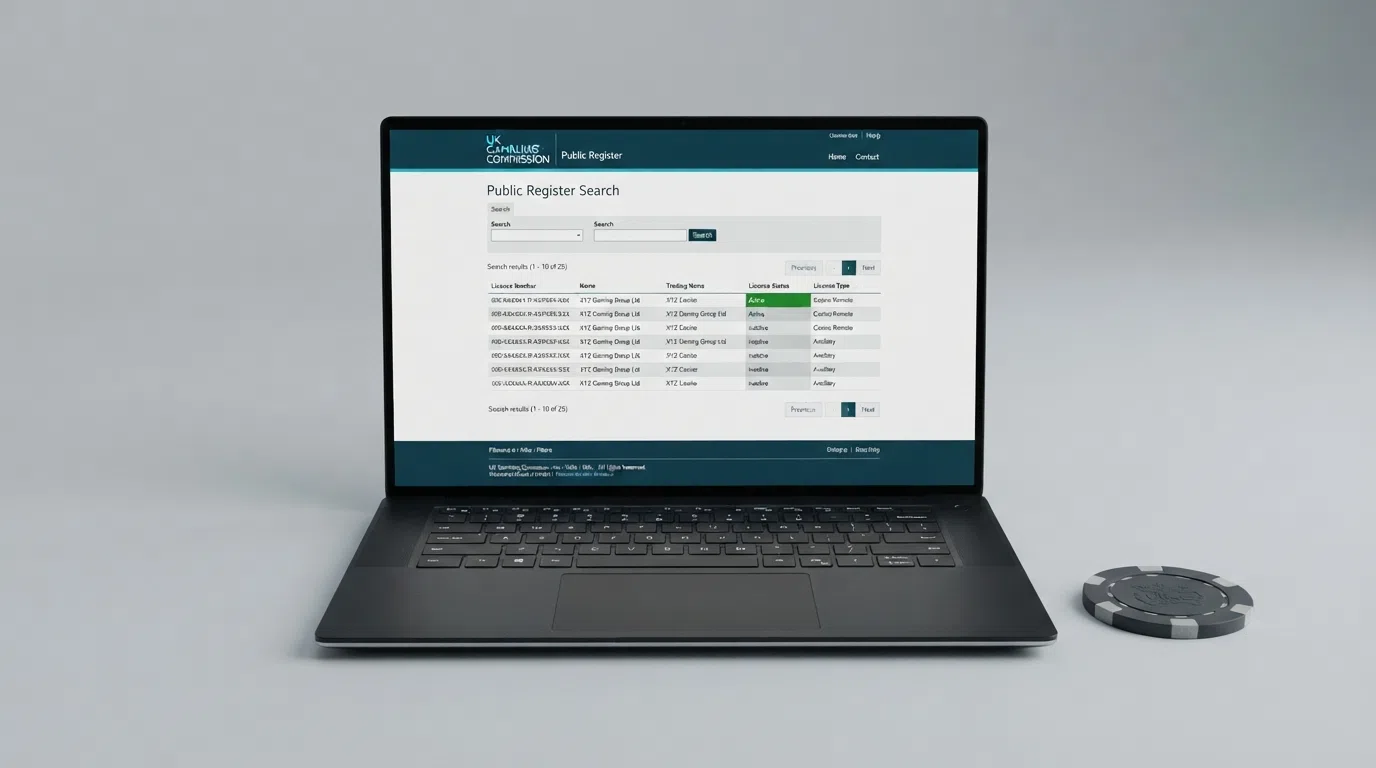
Use the UK Gambling Commission’s public register at the official domain. Search the operator’s legal entity name, not the brand name, and confirm the licence status reads “Active” with a current expiry date. The register also lists the licence type (for example, Casino Remote) and the licensed activities. Verification takes under a minute.
Account – topratedonlinecasinos-uk
Content created by the «topratedonlinecasinos-uk» team